How to Get a Loan to Buy a Car or Property

How to Get a Loan to Buy a Car or Property

Buying a car or property is a major financial milestone, and for most people, it requires external funding in the form of a loan. Whether you are planning to purchase your first vehicle or invest in real estate, understanding how to secure the right loan can make a significant difference in your financial journey. Loans … Read more

Escrow Services for Buying and Selling Online

Escrow Services for Buying and Selling Online

Escrow services have become an essential tool for ensuring safe and secure transactions in the world of online buying and selling. Whether you are purchasing a car, investing in real estate, or buying high-value items from an online marketplace, the risk of fraud and misrepresentation can be significant. Escrow services act as a neutral third … Read more

How to Protect Your Bank Details When Shopping Online

How to Protect Your Bank Details When Shopping Online

Online shopping has become a convenient way to purchase goods and services, allowing consumers to access global marketplaces from the comfort of their homes. However, this convenience also comes with risks, particularly when it comes to protecting sensitive financial information such as bank details, debit card numbers, and credit card data. Cybercriminals are constantly developing … Read more

New Apartments for Sale

New Apartments for Sale

New apartments for sale have become one of the most sought-after options for homebuyers and real estate investors looking for modern living spaces with updated features and long-term value. Unlike older properties, new apartments are designed to meet current lifestyle needs, incorporating advanced technology, energy-efficient systems, and contemporary architectural styles. These developments are often located … Read more

Ready-to-Move-In Apartments for Sale

Ready-to-move-in apartments have become one of the most attractive options for homebuyers who want convenience, certainty, and immediate ownership. Unlike under-construction properties, these apartments are fully completed and available for immediate possession. Buyers can inspect the property before making a purchase, eliminating much of the uncertainty that often comes with real estate investments. For many … Read more

Apartments for Sale with Payment Plan

Apartments for Sale with Payment Plan

Apartments for sale with payment plans have become an increasingly popular option for buyers who want to own property without the immediate financial burden of full payment or traditional mortgage structures. These flexible purchasing options allow buyers to spread the cost of a property over time, making homeownership more accessible to a wider range of … Read more

Luxury Apartments for Sale

Luxury Apartments for Sale

Luxury apartments represent more than just a place to live; they symbolize comfort, exclusivity, and a refined lifestyle. For buyers seeking premium living spaces, these properties offer exceptional design, high-quality materials, advanced technology, and access to world-class amenities. Whether located in vibrant city centers or prestigious residential districts, luxury apartments continue to attract high-net-worth individuals, … Read more

Affordable Apartments for Sale

Affordable Apartments for Sale

Finding an affordable apartment for sale is one of the most important steps toward financial stability and long-term wealth building. Owning property provides security, eliminates the uncertainty of rent increases, and creates an opportunity to build equity over time. However, many potential buyers feel discouraged by rising property prices and complex financing processes. The good … Read more

How to Avoid Car Scams on Marketplace

Buying a vehicle through an online marketplace has become one of the most convenient ways to find affordable transportation. Many buyers now search through digital listings rather than visiting multiple dealerships. Online platforms allow shoppers to compare prices, view photos, read descriptions, and communicate directly with sellers. While these advantages make the process faster and more accessible, they also create opportunities for fraud if buyers are not careful. Car scams on online marketplaces often target people who are eager to find a good deal. Fraudsters may post fake listings, manipulate vehicle history details, request unsafe payment methods, or disappear after receiving deposits. Because vehicles are high-value purchases, even a single mistake can result in significant financial loss. Understanding how to identify suspicious listings, verify seller credibility, and use secure payment methods can dramatically reduce the risk of fraud. By taking a cautious and informed approach, buyers can safely navigate online vehicle marketplaces and secure legitimate deals. This guide explains the most common car marketplace scams and provides practical strategies to help buyers avoid them. Understanding How Car Marketplace Scams Work Online car scams typically rely on creating a sense of urgency or offering deals that appear unusually attractive. Fraudsters often post listings for vehicles priced far below market value to attract immediate attention. Once potential buyers contact them, scammers may claim that the vehicle must be sold quickly due to relocation, financial problems, or other personal circumstances. The scam usually progresses when the seller requests a deposit before the buyer has the opportunity to inspect the vehicle. After the payment is sent, the seller disappears or provides false information. Marketplaces such as Facebook Marketplace and AutoTrader host legitimate vehicle listings, but like any open platform, they may occasionally attract fraudulent sellers. Being aware of how scams operate is the first step toward protecting yourself. Research the Market Value Before Contacting Sellers One of the most effective ways to avoid scams is understanding the typical price range for the vehicle you intend to purchase. When buyers know the average market value of a car, it becomes easier to recognize listings that are suspiciously cheap. Compare multiple listings of the same make, model, and year to determine realistic pricing. Pay attention to mileage, condition, and location, as these factors influence value. If a listing appears significantly cheaper than others without a clear explanation, treat it as a potential warning sign. Scammers frequently rely on unrealistic prices to attract quick responses from buyers who fear missing out on a great deal. Verify the Seller’s Identity and Profile Before committing to any transaction, review the seller’s profile and account history. Many legitimate sellers have established profiles with previous activity or ratings from other transactions. Be cautious if the seller’s account appears recently created, contains limited information, or lacks profile details. While new sellers are not always suspicious, fraudulent accounts often avoid providing identifiable information. Communicate within the marketplace’s messaging system rather than switching immediately to private communication channels. Maintaining a record of conversations helps resolve disputes and protects both parties. Request a Vehicle Identification Number (VIN) A Vehicle Identification Number (VIN) provides essential information about a car’s history and specifications. Legitimate sellers should have no hesitation sharing this number. Once you receive the VIN, verify it through a trusted service such as Carfax. A vehicle history report reveals details including accident history, previous ownership, service records, and title status. If the seller refuses to provide the VIN or gives inconsistent information, consider it a major red flag. Inspect the Vehicle in Person One of the most important steps in avoiding scams is physically inspecting the vehicle before making any payment. Photos can be edited or taken from angles that hide damage, so seeing the car in person provides a more accurate evaluation. During the inspection, check for signs of rust, mismatched paint, unusual engine noises, and excessive interior wear. Verify that the VIN on the vehicle matches the documentation provided by the seller. A test drive is also essential. It allows you to evaluate performance, braking, steering, and overall handling. Use a Professional Mechanic for Pre-Purchase Inspections Even if the car appears to be in good condition, hiring a qualified mechanic to perform a pre-purchase inspection can provide additional peace of mind. Professional inspections identify hidden issues that buyers might overlook. This step is especially important when purchasing vehicles from private sellers rather than dealerships. A small inspection fee can potentially save thousands of dollars in repair costs. Mechanics can also verify whether the vehicle has undergone major repairs or modifications. Avoid Paying Deposits Before Viewing the Vehicle One of the most common car marketplace scams involves deposit requests. Scammers often claim that other buyers are interested in the vehicle and ask for a deposit to “reserve” it. Never send money for a vehicle you have not inspected in person. Legitimate sellers typically understand that buyers want to see the car before committing to payment. If a seller pressures you to transfer funds immediately, consider walking away from the deal. Use Secure Payment Methods Payment security is essential when buying vehicles online. Avoid sending money through wire transfers, gift cards, or cryptocurrency to unknown sellers, as these methods are difficult to trace or reverse. Whenever possible, use secure payment methods or bank transactions that provide documentation. Some buyers also choose to meet sellers at their bank to complete the payment and transfer paperwork simultaneously. Secure transactions help protect both the buyer and the seller. Confirm Ownership and Title Documents Before finalizing a purchase, confirm that the seller legally owns the vehicle. The name on the title should match the seller’s identification. Check for signs of title fraud such as altered documents or missing signatures. If the title is marked as salvage, rebuilt, or flood-damaged, investigate further before proceeding. Proper documentation is essential for transferring ownership and registering the vehicle legally. Avoid Sellers Who Refuse to Meet in Person Another common scam involves sellers claiming they are located overseas or unable to meet due to travel or military service. They may offer to ship the vehicle after receiving payment. While legitimate shipping arrangements exist, buyers should remain cautious when sellers refuse in-person meetings or insist on remote transactions. Whenever possible, meet in a public location and inspect the vehicle personally before making any financial commitments. Be Wary of High-Pressure Sales Tactics Scammers frequently create urgency to prevent buyers from thinking carefully. Statements such as “many buyers are interested” or “this deal expires today” are often used to pressure quick decisions. Take your time evaluating the listing, reviewing documents, and inspecting the vehicle. Legitimate sellers typically allow buyers to conduct proper research before completing a purchase. Patience is one of the most effective defenses against fraud. Calculate the Total Cost of Ownership Avoid focusing solely on the purchase price. Buyers should also consider long-term costs such as maintenance, fuel efficiency, and insurance premiums. Obtaining auto insurance quotes before purchasing a vehicle provides a clearer picture of the total cost of ownership. A slightly higher purchase price may actually be more affordable if the vehicle is reliable and inexpensive to maintain. Understanding overall costs helps prevent financial surprises after the purchase. Report Suspicious Listings If you encounter a listing that appears fraudulent, report it directly to the marketplace platform. Reporting scams helps protect other buyers and allows platforms to remove suspicious accounts. Most marketplaces provide built-in reporting tools that allow users to flag misleading listings, fake profiles, or suspicious payment requests. Taking this step contributes to a safer online marketplace for everyone. Conclusion Online marketplaces have made buying vehicles easier and more convenient than ever before. However, the same accessibility that benefits buyers also creates opportunities for scammers. Understanding how these scams operate is essential for protecting your finances and personal information. By researching vehicle prices, verifying seller identities, requesting vehicle history reports, inspecting cars in person, and using secure payment methods, buyers can dramatically reduce the risk of fraud. Avoiding deposit requests, confirming ownership documents, and resisting high-pressure sales tactics further strengthen your protection. A careful and informed approach ensures that the convenience of online car marketplaces remains an advantage rather than a risk. With the right precautions, buyers can confidently navigate vehicle listings and secure legitimate deals without falling victim to scams.

Buying a vehicle through an online marketplace has become one of the most convenient ways to find affordable transportation. Many buyers now search through digital listings rather than visiting multiple dealerships. Online platforms allow shoppers to compare prices, view photos, read descriptions, and communicate directly with sellers. While these advantages make the process faster and … Read more

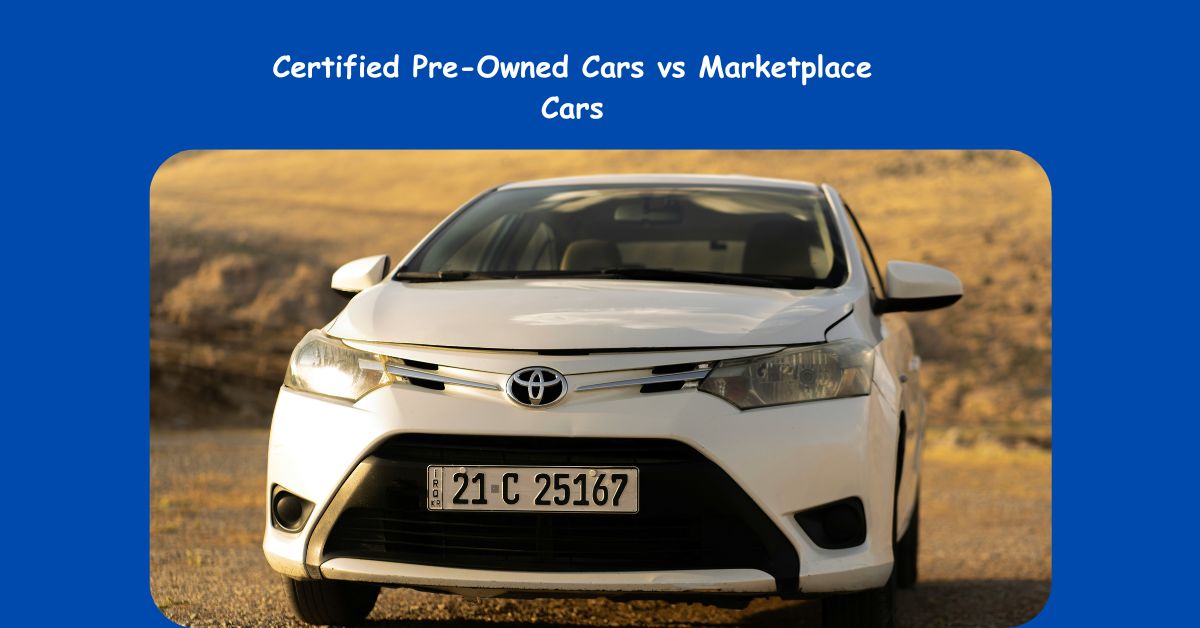
Certified Pre-Owned Cars vs Marketplace Cars

Buying a car is a major financial decision, and many buyers today explore both certified pre-owned vehicles and marketplace listings when searching for affordable transportation. While brand-new vehicles remain attractive, the used car market has expanded dramatically due to rising vehicle prices and improved reliability in modern cars. As a result, buyers often compare certified pre-owned programs offered by dealerships with listings found on online car marketplaces. Both options provide opportunities to purchase quality vehicles at lower prices than new cars, but they operate very differently. Certified pre-owned vehicles typically undergo inspections and come with warranties, while marketplace cars are usually sold by private owners or independent dealers without the same guarantees. Understanding the advantages, risks, and financial implications of each option helps buyers choose the best path based on their budget, comfort level, and long-term vehicle plans. This comprehensive guide explains the differences between certified pre-owned cars and marketplace vehicles, highlighting key factors such as reliability, financing options, inspection processes, warranties, and total ownership costs. Understanding Certified Pre-Owned Cars Certified pre-owned (CPO) cars are used vehicles that have been inspected, refurbished, and approved by manufacturers or authorized dealerships. These vehicles typically meet strict standards related to mileage, age, and overall condition before they qualify for certification. Many CPO programs require multi-point inspections conducted by trained technicians. These inspections evaluate essential systems such as the engine, transmission, suspension, braking system, and electronics. Any issues discovered during the inspection process must be repaired before the vehicle is offered for sale as certified. Dealerships and automotive retailers such as CarMax often offer certified pre-owned vehicles that include limited warranties and structured return policies. These added protections make CPO vehicles appealing to buyers who want reliability without paying the full cost of a brand-new car. What Are Marketplace Cars? Marketplace cars refer to vehicles listed for sale on online platforms where individuals and dealers advertise vehicles directly to potential buyers. These listings often appear on automotive platforms such as AutoTrader or local peer-to-peer platforms like Facebook Marketplace. Unlike certified pre-owned vehicles, marketplace cars may not go through standardized inspections before being listed. Sellers might include photos, vehicle details, and pricing information, but the responsibility for verifying the vehicle’s condition often falls on the buyer. Marketplace listings can include vehicles from private sellers, independent dealerships, or small used-car businesses. Because these listings operate with fewer restrictions, they usually provide a wider range of prices and vehicle types. Price Differences Between Certified and Marketplace Vehicles One of the most noticeable differences between certified pre-owned cars and marketplace vehicles is price. Marketplace cars are often cheaper because they are sold directly by private owners or independent dealers who do not incur the same certification costs as authorized dealerships. Certified pre-owned vehicles typically cost more because the certification process includes inspections, repairs, warranties, and dealership overhead. These factors increase the final sale price but also provide buyers with additional peace of mind. For buyers focused strictly on budget, marketplace cars may appear more attractive. However, lower prices may also mean higher risk if the vehicle has hidden mechanical problems or incomplete maintenance records. Warranty and Protection Benefits Warranty coverage is one of the strongest advantages of certified pre-owned vehicles. Most CPO programs include limited manufacturer warranties that extend beyond the original coverage period. Some programs also offer roadside assistance and extended protection plans. Marketplace vehicles rarely include warranties unless they are sold by dealerships offering optional coverage. Buyers purchasing from private sellers typically assume full responsibility for repairs once the transaction is complete. An extended car warranty can help protect against expensive mechanical failures, which is why many buyers consider CPO vehicles safer long-term investments. Inspection and Vehicle Condition Certified pre-owned vehicles undergo structured inspections that verify mechanical performance, safety systems, and overall reliability. These inspections reduce the likelihood of purchasing a vehicle with major hidden problems. Marketplace vehicles may still be in excellent condition, but buyers must arrange their own inspections. Hiring a trusted mechanic to perform a pre-purchase inspection is strongly recommended when buying from private sellers. Even with a vehicle history report, physical inspections remain essential for identifying issues that documentation may not reveal. Vehicle History Reports and Transparency Both certified pre-owned and marketplace vehicles should have verifiable history records. Services like Carfax allow buyers to review accident records, ownership history, service maintenance, and potential title problems. Dealerships typically provide these reports automatically for certified vehicles. Marketplace sellers may provide them upon request, but buyers should verify information independently whenever possible. A detailed vehicle history report significantly reduces the risk of purchasing a car with hidden damage or legal complications. Financing Options for Buyers Financing availability often differs between certified pre-owned vehicles and marketplace cars. Dealerships selling CPO vehicles typically partner with lenders to offer auto loan packages directly at the point of sale. These programs may include competitive interest rates and flexible repayment terms. Marketplace transactions, especially those involving private sellers, usually require buyers to secure financing independently. This might involve obtaining loans from banks, credit unions, or digital lenders before completing the purchase. Comparing auto loan rates from multiple lenders can help reduce the total cost of financing regardless of the purchase source. Insurance Considerations Insurance costs vary depending on the vehicle’s value, safety features, and repair costs. Certified pre-owned vehicles sometimes include newer technology and safety features that can lower insurance premiums. However, the slightly higher purchase price of certified vehicles may also increase coverage costs compared to older marketplace cars. Obtaining car insurance quotes before purchasing helps buyers estimate the full cost of ownership. Variety and Availability of Vehicles Marketplace platforms often offer a much wider selection of vehicles compared to certified pre-owned programs. Buyers can find older models, rare vehicles, and extremely affordable options that would not qualify for certification. Certified programs typically focus on newer vehicles that meet strict age and mileage limits. While this reduces risk, it also limits variety. Buyers who want very specific models or older vehicles may find more options through marketplace listings. Negotiation Flexibility Private marketplace sellers are usually more open to negotiation. Buyers may secure lower prices by making reasonable offers, especially if the seller is motivated to close the deal quickly. Certified pre-owned vehicles sold by dealerships often have structured pricing. While negotiation may still be possible, it is typically less flexible than private marketplace sales. Understanding market value beforehand strengthens a buyer’s negotiation position in both situations. Safety and Transaction Security Dealership purchases tend to offer more structured and secure transactions. Paperwork, registration, and title transfers are handled professionally, reducing administrative risks. Marketplace transactions require buyers to verify documentation carefully. Meeting in safe locations, confirming ownership records, and reviewing title documents are essential steps for protecting both parties. Secure payment methods and written agreements are recommended for any private sale. Long-Term Ownership Costs Although certified pre-owned vehicles cost more upfront, they may reduce long-term repair expenses because they are inspected and refurbished before sale. Marketplace vehicles may save money initially but could require additional maintenance if issues emerge later. Buyers should evaluate total cost of ownership, including: Fuel efficiency Maintenance expenses Insurance costs Loan interest Warranty coverage Balancing these factors ensures the purchase aligns with long-term financial goals. Which Option Is Best for First-Time Buyers? First-time car buyers often prefer certified pre-owned vehicles because they provide additional protection and easier financing. The structured buying process and warranty coverage reduce uncertainty. However, experienced buyers who are comfortable evaluating vehicle condition may find excellent deals through marketplace listings. Ultimately, the best option depends on the buyer’s knowledge, risk tolerance, and financial flexibility. Conclusion Certified pre-owned cars and marketplace vehicles each offer unique advantages. Certified pre-owned vehicles provide greater reliability, structured inspections, warranty coverage, and easier financing options. These benefits make them appealing for buyers seeking peace of mind and long-term dependability. Marketplace cars, on the other hand, often offer lower prices and a wider variety of vehicle options. Buyers willing to conduct thorough inspections and research can find exceptional deals through online listings. The key to making the right decision lies in balancing cost, risk, and long-term value. By reviewing vehicle history reports, comparing financing options, calculating insurance costs, and carefully inspecting vehicles before purchase, buyers can confidently choose the option that best fits their needs and budget.

Buying a car is a major financial decision, and many buyers today explore both certified pre-owned vehicles and marketplace listings when searching for affordable transportation. While brand-new vehicles remain attractive, the used car market has expanded dramatically due to rising vehicle prices and improved reliability in modern cars. As a result, buyers often compare certified … Read more