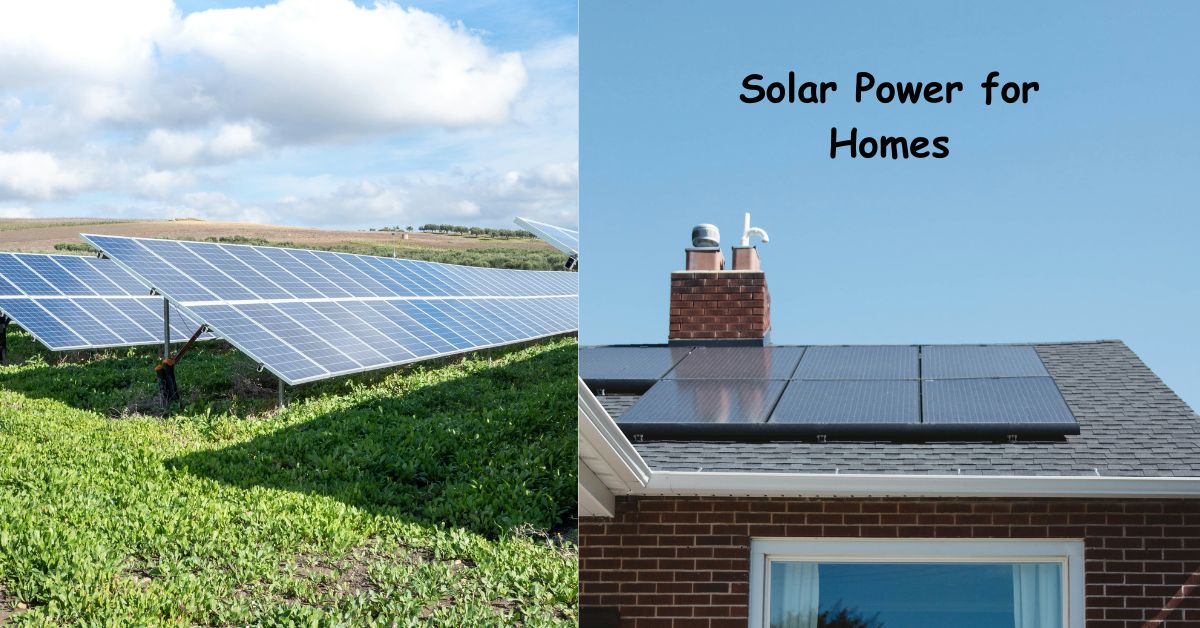
Electricity prices continue to rise around the world, leaving many homeowners searching for a smarter and more sustainable way to power their homes. Among the many renewable energy options available, solar power stands out as one of the most reliable, efficient, and cost-effective solutions. Harnessing the sun’s energy not only reduces your monthly power bills but also helps protect the environment from the harmful effects of fossil fuel use.
Installing solar panels at home is more than just a financial decision—it’s a lifestyle upgrade that leads to long-term energy independence. Whether you’re considering solar energy for environmental reasons, financial benefits, or both, understanding how residential solar systems work and what to expect can make your transition smooth and rewarding.
In this detailed guide, we’ll explore everything you need to know about solar power for homes—how it works, the benefits, installation tips, government incentives, and practical strategies to maximize your investment.
1. What Is Solar Power and How Does It Work?
Solar power is the process of converting sunlight into usable electricity through photovoltaic (PV) panels. These panels are made up of solar cells that absorb sunlight and convert it into direct current (DC) electricity.
Since most household appliances use alternating current (AC), an inverter is installed to convert DC into AC power. Once converted, this electricity can power lights, fans, air conditioners, kitchen appliances, and other home electronics.
If your system produces more power than you use, the excess energy can be stored in batteries or sent back to the grid, allowing you to earn energy credits through a system known as net metering.
This process ensures your home stays powered even when sunlight is limited—making solar an efficient and reliable energy source throughout the year.
2. The Financial Benefits of Solar Power for Homeowners
One of the biggest reasons homeowners switch to solar energy is the potential to save money. Although the upfront cost of installation can seem high, the long-term savings are substantial.
Key Financial Benefits Include:
- Reduced electricity bills: Once installed, your solar panels generate free energy from the sun, significantly cutting down or even eliminating your power bill.
- Net metering income: If your local utility supports net metering, you can sell excess electricity back to the grid and earn credits or cash.
- Increased home value: Homes equipped with solar energy systems often sell faster and at higher prices compared to non-solar homes.
- Tax credits and incentives: Many countries offer federal or local incentives to encourage solar adoption, which can offset up to 30–50% of the total installation cost.
According to energy research firms, the average homeowner can save $20,000 to $40,000 over the lifetime of a solar panel system—making solar one of the most profitable home investments available.
3. Environmental Benefits of Solar Energy
Aside from financial advantages, solar power also plays a critical role in combating environmental degradation. By switching to solar, you directly reduce your carbon footprint and dependence on fossil fuels.
Environmental Advantages Include:
- Reduction in greenhouse gas emissions: Solar panels produce clean, renewable energy with no harmful byproducts.
- Conservation of natural resources: Unlike coal or gas, sunlight is an infinite energy source.
- Improved air quality: Solar energy helps reduce air pollution caused by traditional power generation methods.
- Support for sustainability: Using solar energy contributes to a cleaner, greener planet for future generations.
By simply using solar energy at home, you’re actively participating in the global effort to combat climate change.
4. Types of Home Solar Power Systems
There are several types of solar systems available for residential use, each with unique features and benefits. Understanding the differences helps you choose the best option for your home and budget.
a. Grid-Tied Solar Systems
This is the most common type of home solar setup. It connects your solar panels directly to the local power grid, allowing you to draw electricity from the grid when solar production is low and feed excess energy back when your panels produce more than you consume.
Advantages:
- Lower installation cost
- Eligible for net metering
- No need for batteries
Disadvantages:
- Dependent on the power grid during outages
b. Off-Grid Solar Systems
Off-grid systems operate independently from the public electricity grid. They use battery storage to store excess solar energy for use during the night or cloudy days.
Advantages:
- Complete energy independence
- Ideal for remote areas without access to the power grid
Disadvantages:
- Higher upfront cost due to battery storage
- Requires more maintenance
c. Hybrid Solar Systems
Hybrid systems combine the benefits of both grid-tied and off-grid systems. They’re connected to the grid but also have battery backup for energy storage.
Advantages:
- Reliable power supply during outages
- Optimized energy use and savings
- Flexibility to store or sell excess power
Disadvantages:
- Slightly more expensive than grid-tied systems
Choosing between these three systems depends on your energy goals, location, and budget.
5. How Much Does a Home Solar System Cost?
The cost of installing solar panels varies depending on several factors such as system size, location, brand, and installation complexity.
Average Cost Breakdown (U.S. Example):
- Residential solar system: $15,000–$25,000 before incentives
- Battery storage (optional): $5,000–$10,000
- Federal tax credit: Up to 30% deduction on total system cost
After applying government incentives and tax credits, the effective cost can drop by thousands of dollars, making solar power more affordable than ever.
Moreover, as solar technology becomes more advanced and production costs drop, the price of solar panels continues to decline year after year.
6. How to Determine If Solar Is Right for Your Home
Before installing solar panels, it’s important to evaluate whether your home is a good candidate for solar energy.
Factors to Consider:
- Sunlight exposure: Roofs facing south or west with minimal shading are ideal for maximum energy generation.
- Roof condition: Ensure your roof is in good shape and has enough space for panel installation.
- Local regulations: Check your city’s zoning laws or homeowners’ association rules regarding solar installations.
- Energy usage: Review your monthly electricity bills to estimate your potential savings.
- Incentives and rebates: Research available solar programs in your area to lower installation costs.
A professional solar installer can perform a detailed energy audit to determine the best system size and setup for your home.
7. Steps to Installing Solar Panels at Home
Installing solar panels involves several stages, from initial consultation to activation. Here’s a step-by-step overview:
Step 1: Energy Evaluation
A solar expert reviews your electricity usage and roof design to determine the ideal system size and layout.
Step 2: Design and Permits
The installer designs your system and obtains necessary local permits and utility approvals.
Step 3: Installation
Technicians mount solar panels on your roof, connect them to the inverter, and integrate the system with your home’s electrical setup.
Step 4: Inspection
Local authorities inspect the installation to ensure compliance with building and safety standards.
Step 5: Activation
Once approved, your solar system is connected to the power grid and begins generating clean, renewable energy.
The entire process typically takes 4 to 8 weeks, depending on your location and permitting speed.
8. Government Incentives and Tax Credits
Many countries have launched solar incentive programs to encourage homeowners to switch to renewable energy.
In the United States:
- Federal Investment Tax Credit (ITC): Allows homeowners to deduct 30% of installation costs from their federal taxes.
- State and local rebates: Many states offer additional cash rebates or property tax exemptions.
- Net metering programs: Enable you to sell excess power to your utility company.
In Other Regions:
- Europe: Many EU nations offer feed-in tariffs and solar grants.
- Australia: Homeowners receive solar rebates and credits through the Small-scale Renewable Energy Scheme (SRES).
- Africa and Asia: Several countries offer financing programs and subsidies for solar adoption.
Always research your local solar incentives before installation to maximize savings.
9. Maintenance Tips for Solar Panels
Solar panels are remarkably low-maintenance, but routine checks can help ensure maximum efficiency and longevity.
Maintenance Tips:
- Clean panels every 3–6 months to remove dust, leaves, and bird droppings.
- Inspect for damage after storms or heavy winds.
- Monitor performance through your inverter’s app or dashboard.
- Schedule annual inspections with your solar installer to ensure connections and mounts remain secure.
Most modern solar panels come with warranties of 20–25 years, and their efficiency remains above 80% even after two decades of use.
10. Common Myths About Solar Energy
Despite its proven benefits, many homeowners hesitate to adopt solar due to common misconceptions. Let’s debunk a few of them:
- Myth #1: Solar panels don’t work in cloudy or cold weather.
→ Solar panels still generate power from daylight, not heat. They work efficiently even in overcast conditions. - Myth #2: Solar systems are too expensive.
→ With falling prices and government incentives, solar is more affordable than ever. - Myth #3: Maintenance is complicated.
→ Solar panels require minimal upkeep—mainly periodic cleaning and inspection. - Myth #4: Solar panels damage your roof.
→ When installed correctly by professionals, panels can actually protect your roof from weather exposure.
Understanding these truths helps more people make confident, informed decisions about switching to solar energy.
11. Future of Solar Energy for Homes
The future of solar technology looks brighter than ever. Advances in solar battery storage, smart home integration, and panel efficiency are making solar power even more accessible.
Emerging innovations like transparent solar windows, thin-film solar cells, and AI-powered energy management systems will soon revolutionize how homes produce and consume electricity.
As global demand for clean energy continues to rise, homeowners who invest in solar today are not only saving money but also positioning themselves at the forefront of the renewable energy revolution.
Conclusion
Switching to solar power for your home is one of the smartest investments you can make for both your finances and the environment. It’s a reliable, renewable, and sustainable solution that offers decades of savings and energy independence.
From reducing your monthly electricity bills to increasing your property’s value, solar energy delivers benefits that far outweigh its initial cost. By understanding your options, taking advantage of government incentives, and choosing a trusted installer, you can make the transition to solar power seamlessly.
The sun provides more energy in one hour than the entire planet uses in a year. By harnessing just a small portion of that power, you can light up your home, reduce your expenses, and help build a cleaner, greener future for everyone.
Solar energy isn’t just a trend—it’s the future of responsible living and smart home ownership.