Electricity bills can often feel like a never-ending financial drain. Whether you live alone, with family, or share an apartment, it’s common to notice that monthly power costs seem to rise even when your usage doesn’t appear to change. The truth is that energy consumption habits, outdated appliances, and small inefficiencies throughout your home can silently inflate your electricity bills over time.
Reducing your energy bill doesn’t necessarily mean sacrificing comfort or convenience. Instead, it’s about understanding how electricity is used in your home and learning to make smarter choices about power management. By making small, consistent changes and investing in energy-efficient technologies, you can significantly lower your electricity costs while also contributing to a more sustainable planet.
This guide will walk you through practical, proven strategies to help you reduce your electricity bills at home, enhance your home’s efficiency, and make the most of every watt of energy you consume.
1. Understand What’s Driving Your Electricity Bill
Before you can effectively lower your power bill, it’s essential to understand where your energy is going. Every appliance, gadget, and lightbulb contributes to your overall electricity use.
Key Energy Drainers in Most Homes:
- Heating and cooling systems – Air conditioners and electric heaters are often responsible for 40–50% of household electricity usage.
- Water heating – Hot water systems, especially electric ones, consume a large amount of power daily.
- Refrigerators and freezers – These run continuously and can become less efficient with age.
- Lighting – Using incandescent or halogen bulbs instead of LED options can waste energy.
- Electronics and standby power – Devices like TVs, routers, chargers, and computers consume power even when turned off.
Once you know which areas consume the most electricity, you can focus your efforts where they’ll make the greatest impact.
2. Upgrade to Energy-Efficient Appliances
One of the most effective ways to cut down electricity costs is to switch to energy-efficient appliances. Modern appliances are designed to perform better while consuming less power.
What to Look For:
- ENERGY STAR rating: Indicates that the appliance meets or exceeds energy efficiency standards.
- Inverter technology: Adjusts energy use dynamically instead of running at full power constantly.
- Eco-modes and smart sensors: Help reduce unnecessary energy consumption.
Examples:
- Refrigerators: Upgrading an old fridge can save up to $100 per year.
- Air conditioners: Inverter ACs consume up to 40% less energy than traditional ones.
- Washing machines: Front-loaders and cold-wash cycles use significantly less energy and water.
Although efficient appliances may cost more upfront, they pay for themselves through lower monthly bills and longer lifespans.
3. Switch to LED Lighting
Lighting makes up a noticeable portion of your electricity costs. Switching from traditional bulbs to LED lighting is one of the simplest and most cost-effective upgrades you can make.
Why LEDs Are Better:
- They use up to 80% less electricity than incandescent bulbs.
- LEDs last 10 to 15 times longer, reducing replacement costs.
- They produce less heat, which indirectly lowers air conditioning costs.
Use smart lighting systems that can be controlled via apps or voice commands to schedule automatic shutoffs and dim lights when not needed.
Pro Tip: Install motion sensors in hallways or outdoor areas so lights only turn on when someone is present.
4. Unplug Electronics When Not in Use
Many devices consume power even when turned off—a phenomenon known as phantom load or standby power. Chargers, TVs, gaming consoles, and computers constantly draw small amounts of electricity, which can add up over time.
How to Fix This:
- Unplug devices when not in use.
- Use power strips with on/off switches to disconnect multiple electronics at once.
- Consider smart plugs that can be controlled via mobile apps or schedules.
You might save between $100 to $200 per year just by cutting out standby power usage.
5. Adjust Your Thermostat for Maximum Savings
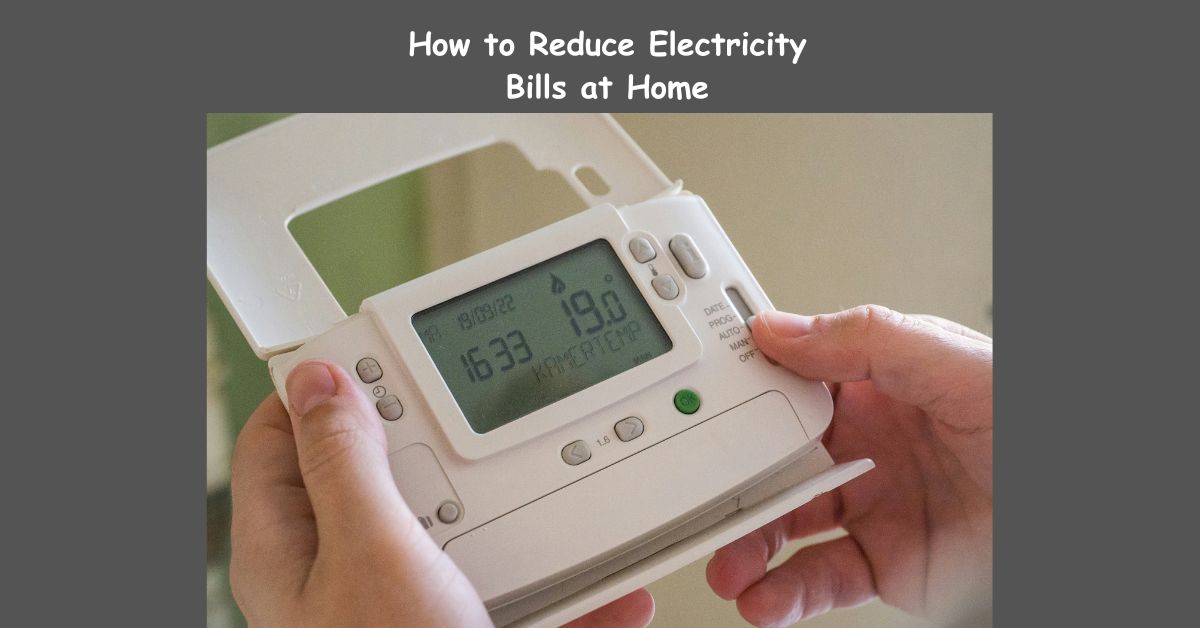
Heating and cooling are often the biggest contributors to high electricity bills. Managing your thermostat more efficiently can have a huge impact on energy consumption.
Energy-Saving Tips:
- Set your air conditioner to 24–26°C (75–78°F) during summer and your heater to 18–20°C (64–68°F) during winter.
- Use programmable or smart thermostats to automatically adjust temperature settings when you’re away or asleep.
- Seal gaps around windows and doors to prevent air leaks.
- Use ceiling fans to help circulate air, reducing reliance on your AC unit.
Each degree you raise or lower your thermostat can save up to 5–10% on your energy bill annually.
6. Improve Home Insulation
A well-insulated home stays cooler in summer and warmer in winter, reducing the need for heating and cooling.
Simple Insulation Improvements:
- Seal air leaks: Check for gaps around windows, doors, vents, and pipes.
- Use weatherstripping or caulking to close those gaps.
- Install insulated curtains to block heat during hot days and retain warmth during cold nights.
- Add attic insulation or roof barriers to prevent temperature transfer.
Better insulation not only lowers electricity usage but also makes your home more comfortable year-round.
7. Use Natural Light Whenever Possible
Electric lights aren’t always necessary during the day. Make use of natural daylight to illuminate your home.
How to Maximize Natural Lighting:
- Rearrange furniture to take advantage of window light.
- Use light-colored walls and reflective surfaces to enhance brightness.
- Install skylights or solar tubes for darker rooms.
By relying more on natural light, you can reduce your lighting costs by up to 20% monthly.
8. Maintain Your Appliances Regularly
Even the most efficient appliances lose performance over time if not properly maintained. Regular cleaning and servicing can keep them running efficiently and safely.
Key Maintenance Tips:
- Refrigerators: Clean coils and ensure door seals are tight.
- Air conditioners: Clean filters monthly and service units annually.
- Washing machines: Use proper load sizes and clean lint filters regularly.
- Water heaters: Flush out sediment buildup to maintain heating efficiency.
Routine maintenance not only extends appliance lifespan but also reduces power consumption and repair costs.
9. Cook Smarter in the Kitchen
The kitchen is another hotspot for electricity usage. From refrigerators to ovens and microwaves, energy consumption can quickly add up.
How to Save Energy While Cooking:
- Use microwaves, toaster ovens, or air fryers for small meals—they use less power than conventional ovens.
- Match pot size to burner size on your stove to avoid energy loss.
- Cover pots with lids to cook food faster.
- Defrost food naturally in the refrigerator instead of using microwaves.
- Turn off the oven early—residual heat will finish the cooking.
Small cooking habits like these can collectively reduce your kitchen’s energy use by 10–15%.
10. Manage Laundry Efficiently
Washing machines and dryers consume both electricity and water. Adopting efficient laundry habits can make a big difference.
Tips for Lower Energy Use:
- Wash clothes in cold water whenever possible.
- Always run full loads instead of half loads.
- Air-dry clothes on a line or drying rack instead of using a dryer.
- If you use a dryer, clean the lint filter after each use for maximum airflow and efficiency.
A combination of cold-water washes and air drying can save hundreds of kilowatt-hours annually.
11. Install Solar Panels for Long-Term Savings
If you’re serious about cutting your electricity bills over the long term, consider investing in solar energy. Solar panels harness sunlight to generate clean electricity, reducing your dependence on the power grid.
Benefits:
- Lower energy bills: Generate your own electricity and use less from the grid.
- Tax credits and incentives: Many governments offer rebates for installing solar systems.
- Increased property value: Homes with solar panels are often more valuable.
Though solar panels have an upfront cost, they often pay for themselves within 5–7 years through energy savings.
12. Monitor Your Electricity Usage
Knowledge is power—literally. By tracking your energy consumption, you can identify areas of waste and adjust accordingly.
Ways to Track Energy Use:
- Install a smart meter or energy monitoring system.
- Use apps or smart home devices that display real-time power usage.
- Check your electricity bill breakdown to understand peak and off-peak rates.
Once you see which appliances use the most energy, you can develop more targeted strategies to reduce consumption.
13. Optimize Water Heating
Water heating can account for up to 20% of your electricity bill. Optimizing your hot water system can result in noticeable savings.
Energy-Saving Tips:
- Lower the water heater temperature to 120°F (49°C).
- Insulate your water heater and pipes to retain heat longer.
- Install low-flow showerheads and aerated faucets to reduce hot water usage.
- Consider solar or heat-pump water heaters for maximum efficiency.
14. Take Advantage of Off-Peak Electricity Rates
Many electricity providers offer time-of-use pricing, where rates are lower during off-peak hours (usually late night or early morning).
How to Benefit:
- Run heavy appliances like washing machines, dryers, and dishwashers during off-peak hours.
- Use programmable timers to automate this process.
This simple scheduling strategy can help you save up to 20% on your overall electricity bill.
15. Educate Everyone in Your Household
Saving electricity is a team effort. Everyone in your household should understand the importance of energy conservation and how their habits contribute to overall costs.
Encourage Simple Habits:
- Turn off lights when leaving a room.
- Limit long showers.
- Unplug chargers and electronics.
- Close doors and windows while running air conditioning.
When everyone participates, your home becomes more energy-conscious and your savings multiply over time.
Conclusion
Reducing electricity bills at home isn’t about giving up comfort—it’s about using energy intelligently. With a few strategic upgrades, mindful habits, and the right appliances, you can create a home that’s both cost-efficient and environmentally friendly.
Start by identifying where most of your energy goes, then take small but consistent steps like switching to LED bulbs, maintaining appliances, adjusting your thermostat, and unplugging devices when not in use. Over time, these changes will result in noticeable savings on your monthly electricity bill.
The real reward goes beyond financial savings. By conserving energy, you’re also helping to protect the planet, reduce carbon emissions, and promote a sustainable lifestyle for future generations.
Smart energy use isn’t just good for your wallet—it’s a powerful step toward a better world.