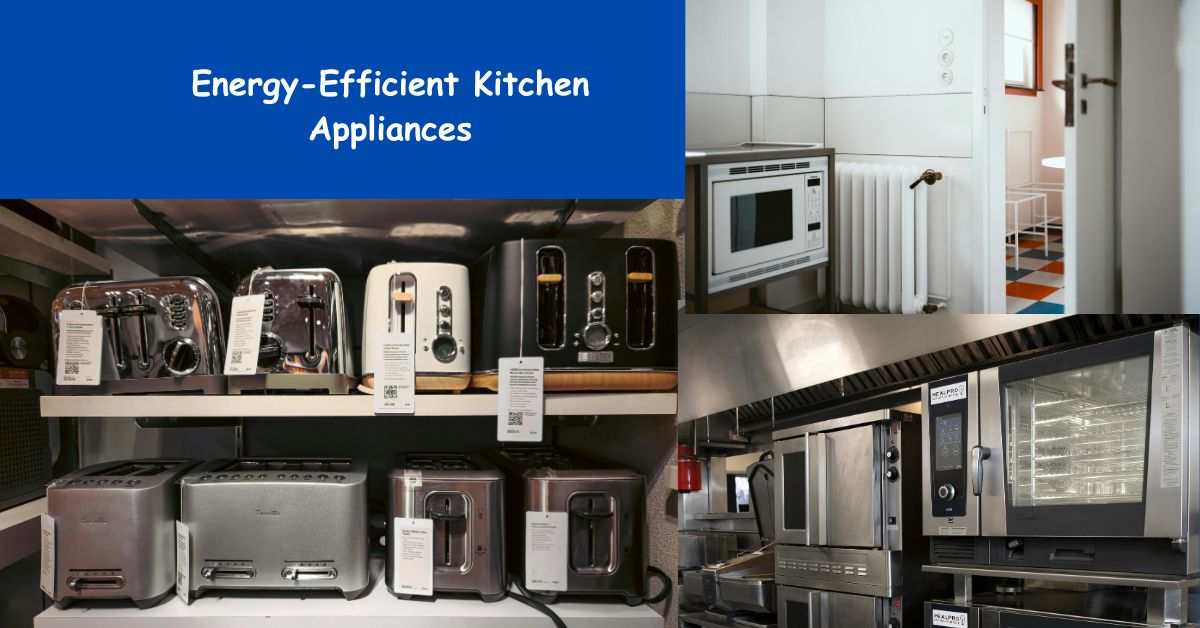
Energy-efficient kitchen appliances have become more than just a trend—they’re a smart investment for homeowners who want to lower utility bills, reduce environmental impact, and enjoy modern convenience without waste. With the growing global focus on sustainability, brands are designing innovative appliances that use less power, less water, and deliver superior performance.
From refrigerators and dishwashers to ovens and microwaves, every appliance in your kitchen plays a role in your household’s overall energy consumption. Understanding which ones are the most efficient—and how they contribute to savings—can help you make smarter decisions that benefit both your wallet and the planet.
This guide explores the best energy-efficient kitchen appliances, how they work, and practical ways to maximize their benefits while maintaining everyday convenience.
Understanding Energy Efficiency and Why It Matters
Energy efficiency simply means getting the same level of performance using less energy. An energy-efficient kitchen appliance delivers its intended function—cooling, heating, blending, or cleaning—while consuming less electricity or water.
The Financial Benefits
Electricity costs are one of the largest recurring household expenses. Switching to energy-efficient appliances can lower your electricity bill by 10–30% annually depending on your usage patterns and local energy rates.
For example:
- An ENERGY STAR-rated refrigerator can save up to $100 per year compared to an older model.
- An induction cooktop uses 40% less energy than a traditional gas or electric stove.
- A high-efficiency dishwasher can save thousands of gallons of water each year.
The Environmental Benefits
Traditional appliances contribute heavily to carbon emissions because they require more power to operate. Reducing your household energy demand means fewer fossil fuels are burned, lowering your personal carbon footprint.
Energy-efficient appliances help conserve natural resources, minimize waste, and promote sustainability — an essential step toward a cleaner, greener future.
1. Energy-Efficient Refrigerators: The Heart of Every Kitchen
Refrigerators run 24/7, making them one of the biggest energy consumers in the home. Upgrading to an ENERGY STAR-certified refrigerator can save you hundreds of kilowatt-hours per year.
Features to Look For
- Inverter compressors: Adjust cooling power automatically based on load and temperature, preventing energy waste.
- Smart cooling technology: Maintains consistent temperatures and humidity levels for longer food preservation.
- LED lighting: Consumes less energy and emits less heat compared to traditional bulbs.
- Door alarms and auto-close systems: Prevent cold air loss when doors are accidentally left open.
Recommended Models
Brands like LG, Samsung, Whirlpool, and Bosch offer excellent energy-efficient refrigerators. Many newer models also come with smart features that allow you to track energy consumption through a connected app.
Estimated Savings
Upgrading from a 15-year-old refrigerator to a modern energy-efficient model can reduce your annual electricity use by 30–40%, translating to long-term financial savings.
2. Energy-Efficient Dishwashers: Cleaner Dishes, Lower Bills
Contrary to popular belief, dishwashers are more water- and energy-efficient than handwashing—especially modern models designed for sustainability.
Energy-Saving Features
- Soil sensors: Detect how dirty your dishes are and adjust water and cycle length accordingly.
- Condensation drying: Uses residual heat instead of extra power for drying dishes.
- Half-load options: Perfect for smaller households, reducing both water and electricity use.
- Eco-modes: Lower temperature and power cycles that still deliver spotless cleaning results.
Brands Known for Efficiency
Bosch, Miele, and KitchenAid are leaders in manufacturing energy-efficient dishwashers. Many come with ENERGY STAR certification, ensuring optimal power savings.
Estimated Savings
A modern energy-efficient dishwasher can save up to 5,000 gallons of water annually and about $50–$75 per year on energy costs.
Pro Tip: Always run your dishwasher only when it’s full and use the air-dry setting to maximize efficiency.
3. Induction Cooktops: Smarter Cooking with Less Energy
Induction cooktops have become a top choice for those who value efficiency, speed, and safety. Unlike traditional electric or gas stoves, induction cooktops heat cookware directly using electromagnetic energy, which minimizes wasted heat.
Why Induction Cooking Is Efficient
- 90% of the energy produced is transferred directly to the cookware (compared to 60–70% with gas).
- Cooking is faster, reducing overall cooking time and electricity usage.
- Surfaces stay cool, preventing accidental burns and reducing ambient kitchen heat.
Best Energy-Efficient Induction Brands
Top-rated models include GE Profile, Samsung, Bosch, and Frigidaire Gallery.
Though the upfront cost is higher, induction cooktops pay for themselves through lower monthly energy bills and superior cooking performance.
4. Energy-Efficient Ovens: Baking Smarter
Ovens, especially traditional electric ones, are another major energy consumer in the kitchen. Fortunately, today’s convection and smart ovens have been redesigned for efficiency and precision.
Energy-Saving Features
- Convection fans: Circulate hot air evenly, allowing for lower temperatures and shorter cooking times.
- Dual cooking zones: Heat only the section you’re using to save power.
- Self-cleaning cycles with energy optimization: Modern ovens use shorter, efficient cleaning cycles that use less heat.
- Smart scheduling: Set your oven to preheat only when needed, avoiding unnecessary standby energy use.
Estimated Savings
Energy-efficient ovens can reduce energy consumption by 20% or more compared to standard models.
Pro Tip: Use the oven light to check on food instead of opening the door repeatedly, which can cause heat loss and waste energy.
5. Efficient Microwaves and Toaster Ovens: Small but Powerful Savings
Small kitchen appliances can also contribute significantly to overall energy efficiency. Modern microwaves, toaster ovens, and air fryers are designed to use less power while cooking food faster.
Energy-Saving Advantages
- Microwaves use up to 80% less energy than conventional ovens for reheating.
- Air fryers and toaster ovens require less preheating time and use smaller cooking chambers, reducing wasted heat.
- Many models feature auto shut-off and smart cooking modes that prevent overuse.
Brands and Models to Consider
Top energy-efficient options include Panasonic Inverter microwaves, Ninja Foodi air fryers, and Breville Smart Ovens.
These compact appliances are ideal for energy-conscious households looking to optimize performance without heavy consumption.
6. Energy-Saving Refrigerated Appliances: Freezers and Wine Coolers
Separate freezers and wine coolers can be power-hungry if not properly optimized. However, many newer models use advanced compressors and better insulation to minimize waste.
Energy-Saving Features
- Temperature zone control allows you to cool only what’s needed.
- Eco mode automatically adjusts cooling during off-peak hours.
- Vacuum insulation panels reduce the workload on compressors.
Tip: Keep freezers at 0°F and refrigerators at 37–40°F for the perfect balance of efficiency and food safety.
7. Smart Kitchen Appliances: Energy Efficiency Meets Technology
Smart kitchen appliances take energy savings to the next level by using connectivity and automation to optimize performance.
Examples Include:
- Smart refrigerators that track door openings and adjust cooling power.
- Wi-Fi-enabled ovens that can preheat remotely, reducing idle time.
- Voice-controlled dishwashers that recommend energy-efficient cycles.
These devices not only conserve power but also make life easier through data insights and usage reports.
Best Smart Appliance Brands
LG ThinQ, Samsung SmartThings, and GE Profile Smart Appliances are leaders in this category. They integrate seamlessly with home assistants like Google Home or Amazon Alexa.
How to Identify Energy-Efficient Appliances
When shopping for kitchen appliances, always look for ENERGY STAR certification—a U.S. government-backed symbol of energy efficiency recognized globally.
Key Labels and Ratings
- ENERGY STAR: Indicates that the product meets strict energy efficiency guidelines.
- EnergyGuide Label: Displays estimated yearly energy use and cost.
- Smart Grid Ready: Shows compatibility with smart energy systems for peak-hour management.
Always compare models using these ratings before buying.
Practical Tips for Maximizing Appliance Efficiency
Even with energy-efficient appliances, your usage habits play a major role in saving energy. Here’s how to make the most of them:
- Unplug small appliances when not in use to eliminate standby power waste.
- Load dishwashers and washing machines fully before running a cycle.
- Use lids when boiling water or cooking to reduce heating time.
- Defrost food naturally in the refrigerator to ease compressor load.
- Clean refrigerator coils and filters regularly for optimal performance.
- Avoid overloading sockets—this can reduce efficiency and pose a safety hazard.
- Take advantage of off-peak electricity rates by running heavy appliances at night.
By adopting these habits, you’ll maximize the return on your investment in efficient appliances.
The Long-Term Value of Investing in Energy Efficiency
While energy-efficient kitchen appliances often come with a slightly higher upfront cost, the long-term rewards are substantial. Over time, the savings on utility bills easily outweigh the initial expense.
For example:
- Switching to an energy-efficient refrigerator, dishwasher, and oven could save an average household up to $350–$500 annually in electricity and water costs.
- Over a 10-year lifespan, that adds up to $3,000–$5,000 in savings—not to mention the environmental benefits.
Additionally, some governments and utility companies offer rebates and incentives for purchasing certified energy-efficient appliances, further enhancing their value.
Where to Buy Energy-Efficient Kitchen Appliances
If you’re ready to upgrade, several reliable online and retail sources specialize in energy-efficient appliances:
- Home Depot and Lowe’s: Offer detailed energy usage comparisons and frequent discounts.
- Best Buy: Provides a wide selection of ENERGY STAR-certified smart appliances.
- Amazon: Convenient for comparing models, reading reviews, and checking energy certifications.
- Local Appliance Stores: Often have rebate programs or free installation deals.
Always check for available manufacturer warranties and energy rebates before completing your purchase.
Conclusion
Energy-efficient kitchen appliances represent the perfect blend of modern innovation, environmental responsibility, and long-term savings. By choosing products that consume less power and water, you can significantly cut down on utility bills while contributing to a more sustainable planet.
Whether you’re investing in a smart refrigerator, an induction cooktop, or a high-efficiency dishwasher, every small upgrade makes a lasting difference. The key is to focus on ENERGY STAR-certified models, understand your usage patterns, and maintain your appliances properly for maximum efficiency.
In the end, energy-efficient appliances don’t just make your kitchen smarter—they make your entire lifestyle more economical and eco-friendly.
With the right knowledge and smart shopping, you can turn your kitchen into a hub of sustainability, savings, and modern comfort.