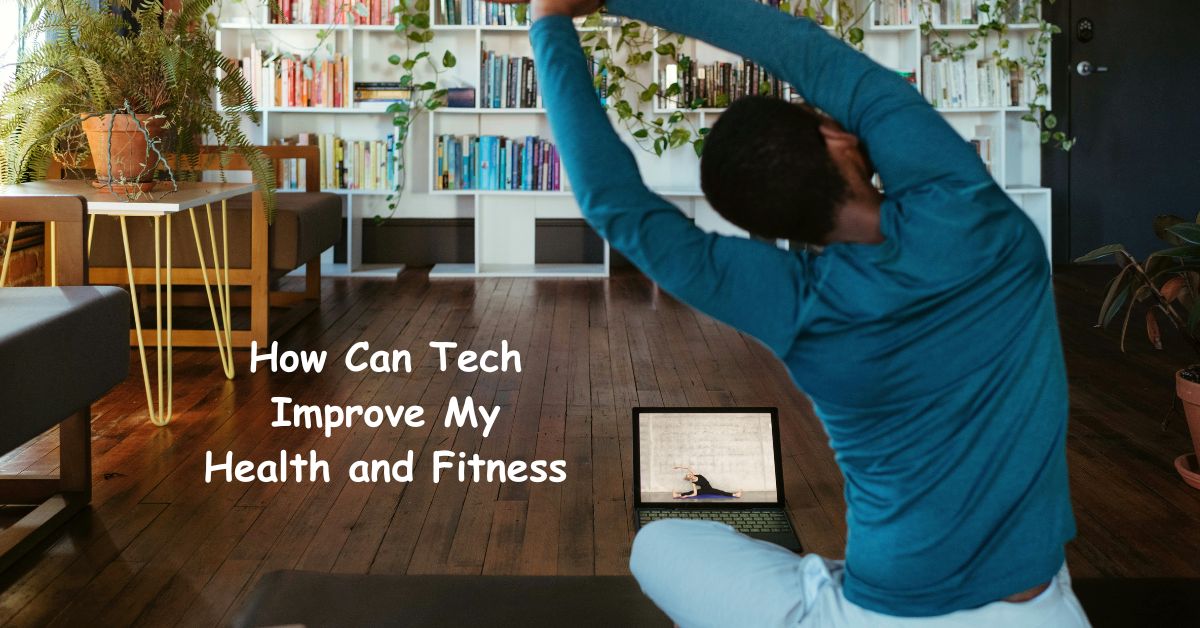
Technology has become deeply embedded in nearly every aspect of modern life, and one of its most transformative impacts can be seen in the areas of health and fitness. With digital innovations, wearable devices, and online wellness platforms, individuals now have access to tools that make it easier to monitor progress, stay motivated, and achieve long-term goals. Whether your focus is on managing weight, increasing strength, improving cardiovascular endurance, or simply adopting healthier habits, the right technology can provide support and structure that traditional methods often lack.
The relationship between technology and wellness is more than just convenience—it is about empowerment. From smartwatches that track heart rate to fitness apps that create personalized workout plans, tech solutions allow people to take control of their health in ways that were unimaginable a decade ago. To understand how technology can improve your health and fitness, it is helpful to explore the many areas where digital tools are making a difference.
1. Wearable Devices and Fitness Trackers
One of the most popular innovations in health technology is the rise of wearable devices. Fitness trackers and smartwatches have revolutionized how individuals monitor their physical activity, sleep quality, and overall wellness. These devices provide real-time feedback, giving users a clear picture of their daily habits.
For example, a smartwatch can count your steps, track your heart rate during workouts, and even monitor blood oxygen levels. Some advanced devices also include electrocardiogram (ECG) functionality, helping users detect irregular heart rhythms early. This level of monitoring creates accountability and encourages consistency in achieving health goals.
Wearables also gamify fitness by offering badges, reminders, and progress reports. These features motivate users to remain active and maintain regular exercise routines. By giving individuals the ability to see their progress in measurable terms, fitness trackers make healthy living more engaging and effective.
2. Mobile Fitness Apps
Fitness apps have expanded access to health improvement resources, offering everything from guided workouts to nutrition plans. Whether you are a beginner looking for simple exercise routines or an advanced athlete seeking performance optimization, mobile apps provide structured programs tailored to different needs.
Some apps focus on bodyweight exercises that can be done at home, while others integrate with gym equipment for more advanced training. Many also offer progress tracking, meal planning, and habit-building features. Additionally, social components such as community challenges and leaderboards help users stay motivated by connecting them with others on similar fitness journeys.
Because fitness apps are accessible directly from smartphones, they remove barriers to entry. You don’t need to invest in expensive training programs or personal trainers—many high-quality apps provide affordable or free alternatives. This democratization of fitness support is one of the most powerful ways technology is improving health globally.
3. Telehealth and Virtual Coaching
Another area where technology significantly improves health is telehealth and virtual fitness coaching. Instead of relying solely on in-person consultations, individuals can now connect with healthcare professionals, nutritionists, or trainers remotely. Video calls, mobile apps, and messaging platforms make it possible to access expert guidance without leaving home.
Telehealth has become especially valuable for people managing chronic conditions or those who live in rural areas with limited access to medical facilities. Virtual coaching also ensures that individuals receive personalized advice that aligns with their unique health status and goals.
For fitness enthusiasts, online trainers can design workout plans, monitor form through video, and provide ongoing feedback. This creates accountability while giving users flexibility in scheduling and location. By breaking down geographic and financial barriers, telehealth and digital coaching expand opportunities for people to prioritize their health.
4. Nutrition Tracking Tools
Diet plays a crucial role in overall health and fitness, and technology has simplified the process of tracking food intake. Apps and digital platforms allow users to log meals, monitor calorie intake, and analyze nutrient composition. These tools provide detailed insights into how dietary choices affect weight, energy levels, and overall well-being.
Many nutrition apps also include barcode scanners, recipe databases, and personalized meal plans. By making nutrition tracking easier and more convenient, technology helps individuals stay mindful of their eating habits and avoid hidden pitfalls that can undermine progress.
Some advanced platforms even integrate with wearable devices, creating a holistic picture of energy expenditure versus calorie intake. This allows for more accurate goal-setting and improved long-term results.
5. Online Fitness Communities
Social support plays a powerful role in health improvement, and online communities have become an essential part of digital wellness. Fitness forums, social media groups, and app-based communities give individuals a sense of belonging and accountability.
Being part of an online fitness group allows you to share progress, exchange tips, and celebrate achievements with others who understand the journey. This sense of connection reduces feelings of isolation and provides additional motivation to stay consistent.
Moreover, these communities often include experts who share valuable insights on exercise routines, nutrition, and wellness strategies. Having access to a network of supportive individuals increases the likelihood of long-term success in health and fitness.
6. Smart Home Fitness Equipment
For those who prefer working out at home, smart fitness equipment has transformed personal exercise routines. Treadmills, stationary bikes, rowing machines, and resistance training equipment now come with built-in screens, virtual classes, and real-time performance tracking.
Popular platforms like Peloton and Mirror offer interactive workouts that simulate the experience of attending a live class from the comfort of home. These tools create engaging environments that keep users motivated and consistent, even without access to a physical gym.
By combining professional guidance with advanced technology, smart fitness equipment delivers a high-quality workout experience tailored to individual needs.
7. Mental Health and Mindfulness Apps
Health is not limited to physical fitness—mental well-being is equally important. Technology has expanded access to mindfulness practices and stress management tools through apps that guide meditation, breathing exercises, and sleep routines.
Mindfulness apps provide structured programs that help users reduce anxiety, improve focus, and enhance emotional resilience. Many also include sleep trackers and mood journals, helping individuals monitor mental wellness alongside physical health.
By integrating mental health into digital wellness tools, technology ensures a more holistic approach to improving overall quality of life.
8. Data-Driven Insights for Long-Term Health
One of the most powerful benefits of technology is the ability to collect and analyze health data over time. Whether through wearable devices, apps, or telehealth platforms, individuals can now identify patterns in their activity, nutrition, sleep, and mood.
This data-driven approach allows for smarter decision-making. For example, noticing a consistent drop in energy levels after certain meals may highlight dietary adjustments needed. Similarly, tracking sleep cycles may reveal habits that interfere with rest.
By turning raw data into actionable insights, technology empowers individuals to make informed choices and achieve sustainable health improvements.
9. Increased Motivation and Accountability
Technology also enhances motivation by creating systems of accountability. Whether it’s through app reminders, daily activity goals, or progress reports, these digital nudges encourage users to stay on track.
Many platforms use gamification techniques, such as badges, milestones, and rewards, to make the health journey more enjoyable. This playful approach reduces the likelihood of burnout and keeps individuals engaged long enough to develop lasting habits.
Accountability features such as progress sharing and coaching check-ins further reinforce commitment, making it easier to stick with long-term health plans.
10. Accessibility and Inclusivity
Perhaps one of the most important ways technology improves health is by making resources more accessible to diverse populations. Mobile apps, telehealth, and wearable devices can be adapted for different fitness levels, abilities, and health conditions.
For individuals with mobility challenges, adaptive fitness apps provide specialized routines. For those managing chronic illnesses, telehealth ensures regular access to professional guidance. By offering customizable solutions, technology ensures that everyone can find a path to better health regardless of their circumstances.
Conclusion
Technology has redefined what it means to take control of your health and fitness. From wearable trackers and mobile apps to telehealth consultations and smart fitness equipment, digital tools offer unparalleled access to personalized guidance, real-time feedback, and supportive communities. These innovations not only make it easier to stay consistent but also create opportunities for long-term, sustainable health improvements.
The integration of technology into wellness is not about replacing traditional methods but about enhancing them. By leveraging digital resources, you can gain deeper insights into your habits, make smarter decisions, and stay motivated throughout your journey. Whether your goal is physical strength, better nutrition, improved mental health, or a balanced lifestyle, technology provides the tools to help you succeed.
Ultimately, the question is no longer whether technology can improve your health and fitness—it’s how you choose to use it. By embracing these innovations thoughtfully and consistently, you can unlock your full potential and enjoy a healthier, more fulfilling life.