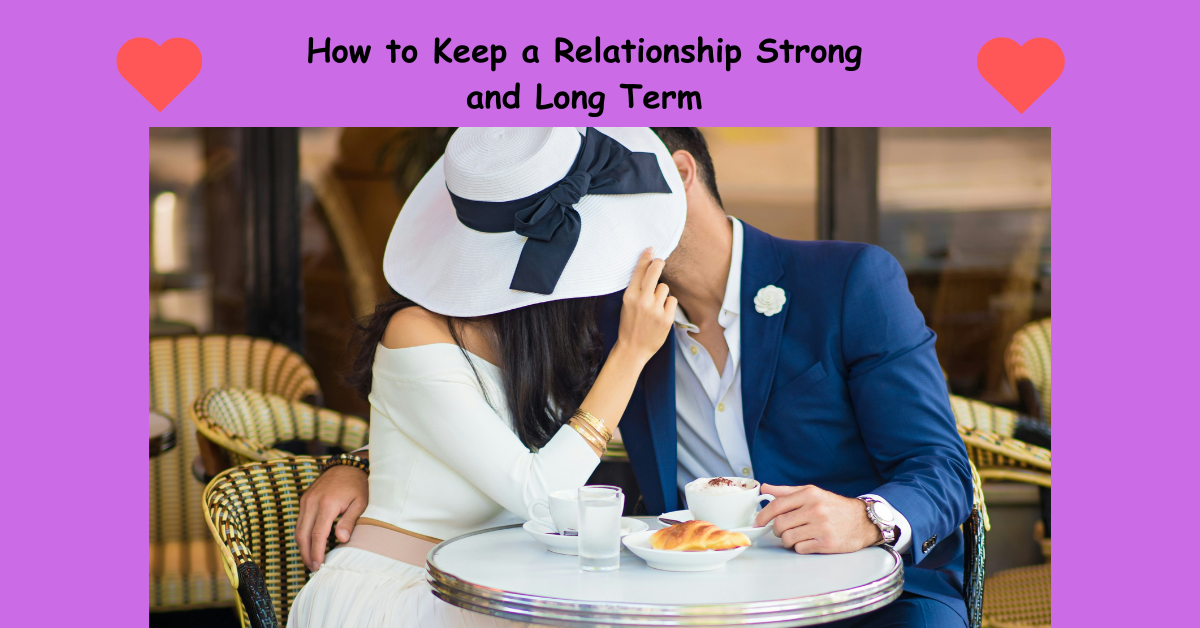
Every relationship begins with excitement, affection, and a sense of connection that makes the future feel full of possibilities. Yet as months and years pass, the challenges of everyday life—work pressures, financial concerns, family responsibilities, and personal struggles—can sometimes weaken even the strongest bonds. Keeping a relationship strong and long term requires more than love; it requires intentional effort, continuous nurturing, and a shared commitment to growth.
Many couples believe that a long-lasting relationship should feel effortless, but the truth is that successful partnerships are built on consistent effort, respect, and communication. The good news is that when both partners commit to building a strong foundation, the relationship can not only endure but also flourish over time.
This guide explores the essential steps and habits that couples can adopt to maintain love, intimacy, and trust in the long run.
Prioritizing Open and Honest Communication
One of the most important factors in sustaining a strong relationship is open communication. Couples who regularly express their thoughts, emotions, and concerns in a respectful manner are more likely to resolve conflicts quickly and avoid unnecessary resentment.
Honest communication allows each partner to feel understood and valued. Instead of bottling up frustrations, successful couples talk through their issues, listen without judgment, and avoid dismissing each other’s feelings. Active listening—where you focus entirely on your partner’s words and emotions instead of planning your response—helps build emotional intimacy and prevents misunderstandings from growing into larger problems.
Building Trust Through Consistency
Trust is the foundation of any long-term relationship. Without it, insecurity and doubt creep in, leading to constant conflict or emotional distance. Building and maintaining trust requires consistency over time. This means keeping promises, being dependable, and showing your partner that they can rely on you.
Trust also grows when partners are transparent about their actions, feelings, and intentions. Hiding details or engaging in secretive behavior erodes confidence, while honesty, even in difficult situations, strengthens the bond. When both partners know they can depend on each other, the relationship becomes more resilient in the face of challenges.
Making Quality Time a Priority
With busy schedules, many couples unintentionally put their relationship last on their list of priorities. Over time, neglecting quality time together can create emotional distance. Strong, long-term relationships thrive when both partners deliberately carve out moments to connect.
This could be as simple as sharing daily meals without distractions, going on regular date nights, or engaging in activities you both enjoy. The goal is not the amount of time spent together, but the quality of that time. By showing your partner that they are a priority, you reinforce the bond and create lasting memories.
Keeping Romance Alive
Romance should not end once the honeymoon phase is over. In fact, maintaining romance is one of the secrets to a thriving long-term relationship. Small acts of love—such as leaving thoughtful notes, planning surprises, or expressing affection through physical touch—keep the spark alive.
Couples who actively nurture their romantic connection are less likely to feel bored or disconnected over time. Romance doesn’t need to be extravagant; it’s the consistent effort and thoughtfulness that make your partner feel cherished and valued.
Practicing Forgiveness and Letting Go of Resentment
No relationship is without mistakes or misunderstandings. Holding on to grudges only creates distance and weakens the emotional connection. Long-lasting couples understand the importance of forgiveness. This doesn’t mean ignoring hurtful actions, but rather addressing issues, resolving them, and moving forward without dragging past mistakes into the present.
Forgiveness requires maturity and empathy, and it plays a vital role in keeping a relationship strong. By choosing to let go of resentment, couples create space for healing and growth instead of conflict and bitterness.
Supporting Each Other’s Growth
Healthy long-term relationships allow space for individual growth as well as shared growth. Both partners should encourage each other’s goals, dreams, and personal development. Whether it’s pursuing a new career path, learning a new skill, or maintaining hobbies, supporting your partner shows that you value their independence as well as the relationship.
Couples who grow together are more likely to stay together. By celebrating each other’s achievements and providing emotional support during challenges, you reinforce your partnership and create a sense of teamwork.
Mastering Conflict Resolution
Disagreements are natural, but the way couples handle conflict determines the strength of their relationship. Long-term couples don’t avoid disagreements; instead, they learn how to resolve them constructively.
Effective conflict resolution involves staying calm, avoiding blame, and focusing on solutions instead of problems. Compromise plays an important role, as does the ability to agree to disagree on less important matters. Couples who master conflict resolution develop resilience and prevent small arguments from turning into long-term resentment.
Maintaining Physical and Emotional Intimacy
Intimacy is about more than physical connection—it also includes emotional closeness, trust, and vulnerability. Couples in strong long-term relationships actively nurture both physical and emotional intimacy.
This can mean maintaining a healthy sex life, showing affection through hugs and kisses, or simply being emotionally present during conversations. Emotional intimacy grows when partners share their fears, hopes, and insecurities openly. The deeper the intimacy, the stronger the bond, and the more likely the relationship is to last.
Practicing Gratitude and Appreciation
Expressing gratitude for your partner is a powerful way to keep love alive. When couples take time to acknowledge each other’s efforts—whether big or small—they reinforce feelings of value and appreciation.
Saying “thank you,” complimenting your partner, or acknowledging the little things they do helps prevent feelings of being taken for granted. Gratitude shifts the focus from what’s lacking in the relationship to what’s working well, creating a positive atmosphere that strengthens the connection.
Setting Shared Goals and Dreams
Couples who share a vision for the future often feel more united. Setting goals together—such as saving for a home, planning travel, or building a family—creates a sense of partnership and purpose. These shared aspirations act as motivation to work through challenges and stay committed.
At the same time, it’s important to revisit these goals periodically and adjust them as circumstances change. The process of working toward shared dreams strengthens the partnership and ensures both partners feel aligned in their journey.
Seeking Professional Support When Needed
Even the strongest relationships face difficult times. When challenges become overwhelming, seeking professional help can make a significant difference. Marriage counseling, couples therapy, or relationship coaching provides couples with tools to improve communication, resolve conflicts, and rebuild intimacy.
Professional guidance can help break unhealthy patterns, address unresolved issues, and set the relationship back on track. Choosing to seek help is not a sign of weakness but a commitment to protecting the future of the relationship.
Keeping Humor and Playfulness Alive
A sense of humor and playfulness goes a long way in sustaining a long-term relationship. Couples who laugh together and don’t take life too seriously are better able to handle stress and stay connected. Playful interactions—such as inside jokes, light teasing, or shared adventures—create joy and strengthen the bond.
Life can be overwhelming at times, but finding ways to bring fun and laughter into your relationship ensures that you both enjoy the journey together.
Adapting to Life’s Changes Together
Relationships are dynamic, not static. As individuals grow and circumstances change—whether through career shifts, raising children, or aging—relationships must adapt. Couples who remain flexible and willing to evolve together are more likely to sustain long-term happiness.
Instead of resisting change, successful couples embrace it as an opportunity to grow closer. Supporting each other through transitions builds resilience and ensures that the partnership can withstand life’s ups and downs.
Conclusion
Keeping a relationship strong and long term is not about avoiding problems but about working through them with respect, patience, and love. By prioritizing communication, trust, intimacy, and mutual support, couples create a foundation that can endure life’s challenges.
The key is consistency—small, intentional actions repeated over time build lasting bonds. Whether it’s expressing gratitude, making time for romance, resolving conflicts constructively, or supporting each other’s growth, every effort contributes to a thriving partnership.
A strong relationship is not something that simply happens; it is something that is built and nurtured every single day. With dedication and love, couples can create a connection that not only lasts but also continues to grow deeper and more fulfilling over the years.