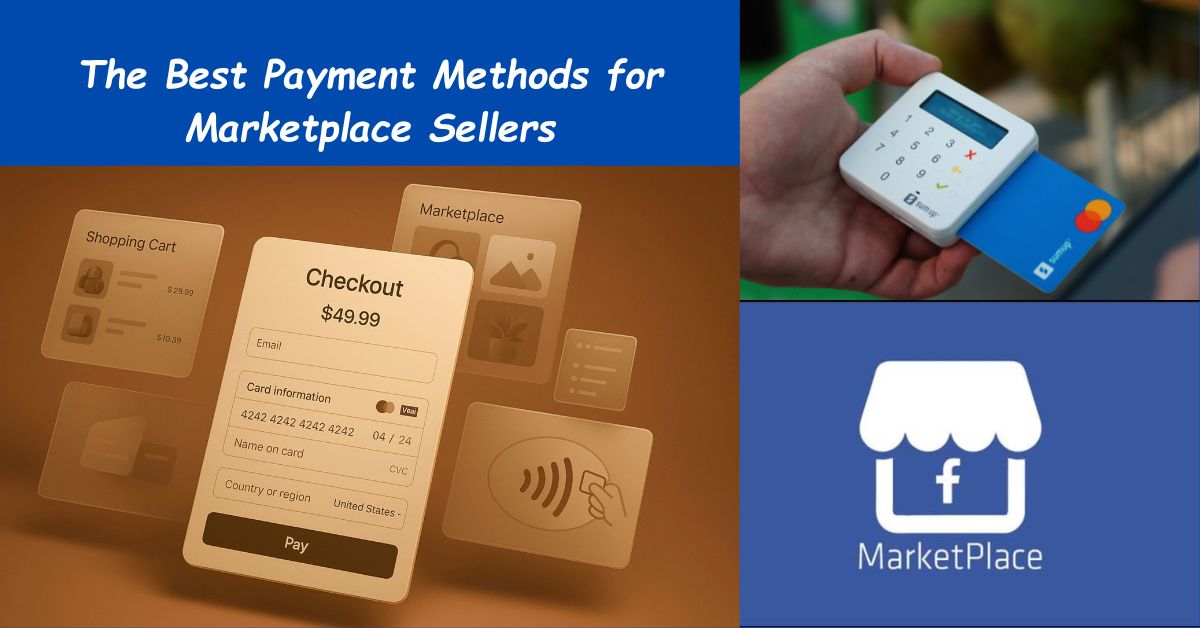
Selling on online marketplaces has become one of the most profitable ways for entrepreneurs and small business owners to reach millions of potential buyers without investing in a physical storefront. From platforms like Amazon, eBay, and Etsy to social-driven marketplaces like Facebook Marketplace, sellers now have endless opportunities to showcase their products. But while listing and marketing products are important, one of the most overlooked aspects of successful selling is choosing the right payment method.
The payment system you select not only determines how you get paid but also affects the level of trust buyers have in you, your transaction security, and even the speed at which you can access your earnings. For marketplace sellers, understanding the best payment methods is crucial to ensuring smooth transactions and building long-term customer relationships.
This article explores the top payment methods available to marketplace sellers, their pros and cons, and tips for selecting the best one for your business model.
Why Payment Methods Matter for Marketplace Sellers
When buyers shop online, they expect to see payment options that are both convenient and secure. Sellers who fail to provide trusted payment methods risk losing potential sales simply because the customer does not feel safe completing the transaction. On the other hand, sellers who embrace reliable methods not only improve conversion rates but also streamline their own cash flow management.
Some of the biggest reasons payment methods matter include:
- Trust and credibility – Secure and well-known payment methods build confidence with customers.
- Faster payouts – The right method ensures you access your funds quickly to reinvest in inventory.
- Global reach – International buyers may prefer certain payment methods, expanding your market potential.
- Lower risk of fraud – Established payment gateways provide protection for both sellers and buyers.
By carefully selecting the right method, you position yourself as a professional and trustworthy seller, which directly impacts your overall sales performance.
1. PayPal
PayPal remains one of the most widely used payment platforms across global marketplaces. Known for its convenience and security, it allows sellers to accept payments from buyers worldwide. Many platforms such as eBay even integrate PayPal directly into their systems.
Pros:
- Recognized and trusted by millions of buyers globally.
- Easy to integrate into most marketplaces.
- Provides buyer and seller protection.
- Supports multiple currencies, ideal for international sales.
Cons:
- Transaction fees can be relatively high compared to other options.
- Account holds and freezes may occur if transactions are flagged.
- Not every country has full PayPal functionality.
For sellers, PayPal is best suited if your target audience is international and if you’re looking for an established, trusted method.
2. Stripe
Stripe has rapidly gained popularity as a payment processing solution for businesses of all sizes. It offers a wide range of features, including support for credit cards, digital wallets, and even local payment methods.
Pros:
- Simple and seamless integration with online marketplaces and websites.
- Competitive fees compared to PayPal.
- Supports recurring billing, making it ideal for subscription-based products.
- Transparent dashboard for managing transactions and payouts.
Cons:
- May require some technical setup.
- Not as widely recognized by casual buyers as PayPal.
Stripe is particularly beneficial for marketplace sellers looking for flexibility and scalability in managing payments.
3. Direct Bank Transfers
Some marketplaces allow sellers to connect their bank accounts directly, receiving payments as transfers once the buyer pays. This method is often used by platforms such as Amazon.
Pros:
- No need for third-party services.
- Lower fees in some cases compared to online processors.
- Funds are deposited directly into your bank account.
Cons:
- Can take several business days to process.
- Limited buyer protection, which may discourage some customers.
- International transfers may incur high fees and currency conversion charges.
Direct bank transfers are best for established sellers working with trusted marketplaces that already handle the transaction security on your behalf.
4. Credit and Debit Cards
Accepting credit and debit card payments is still one of the most essential ways to get paid in any online marketplace. Buyers appreciate the convenience, and sellers benefit from broad accessibility.
Pros:
- Universally accepted and trusted.
- Quick payment processing.
- Higher sales potential since most buyers have cards.
Cons:
- Sellers need a payment gateway to process card transactions.
- Risk of chargebacks if buyers dispute transactions.
- Fees vary depending on the card provider.
This method is indispensable for serious sellers, but it works best when combined with a trusted payment processor like Stripe or PayPal.
5. Digital Wallets (Apple Pay, Google Pay, Samsung Pay)
With mobile shopping on the rise, digital wallets are becoming more popular in online transactions. Many marketplaces now support Apple Pay and Google Pay as secure checkout options.
Pros:
- Fast, convenient, and mobile-friendly.
- Enhanced security with biometric authentication.
- Appeals to younger, tech-savvy buyers.
Cons:
- Not universally accepted across all marketplaces.
- Some buyers still prefer traditional payment methods.
For sellers targeting mobile-first audiences, enabling digital wallet payments can significantly improve conversion rates.
6. Escrow Services
Escrow payments are particularly useful for high-value items, where trust between buyer and seller is critical. The buyer pays into an escrow account, and the funds are released only after the product is delivered and accepted.
Pros:
- Adds an extra layer of trust for expensive or rare items.
- Protects both buyers and sellers.
- Reduces fraud risk significantly.
Cons:
- Slower processing compared to instant payments.
- Additional service fees may apply.
Escrow is ideal for sellers offering high-ticket products like electronics, luxury goods, or collectibles.
7. Marketplace-Specific Wallets and Payment Systems
Many major platforms now operate their own payment ecosystems. Examples include:
- Etsy Payments – allows customers to pay via multiple methods but centralizes payouts to sellers.
- Facebook Pay – integrated into Facebook Marketplace and Messenger for easy peer-to-peer payments.
- Amazon Payments – streamlines the buying process using customer’s stored card details.
Pros:
- Seamless integration within the platform.
- Builds trust since buyers feel secure using platform-managed payments.
- Simplifies account management with consolidated payouts.
Cons:
- Sellers must comply with platform-specific rules.
- Limited flexibility outside that marketplace.
For sellers deeply invested in one platform, these options provide the most straightforward and trustworthy payment system.
Factors to Consider When Choosing a Payment Method
Not all sellers have the same needs, so the “best” payment method will depend on your business model, product type, and target market. When deciding, consider the following factors:
- Transaction Fees – Compare how much each provider charges per sale.
- Payout Speed – Understand how quickly you can access your money after a sale.
- Security and Fraud Protection – Ensure the method includes safeguards against chargebacks and scams.
- Customer Preference – Choose methods that your target buyers are comfortable with.
- Global Reach – If selling internationally, prioritize methods that support multiple currencies.
- Ease of Integration – Some payment processors are easier to link with your marketplace than others.
Common Mistakes Sellers Make With Payment Methods
Even when sellers have multiple options, they often make mistakes that hurt their sales or cash flow. Some common errors include:
- Offering only one payment method, limiting buyer flexibility.
- Ignoring mobile-friendly payment options like digital wallets.
- Not accounting for fees when pricing products.
- Using unverified or risky payment platforms that reduce buyer trust.
Avoiding these pitfalls ensures you provide buyers with a safe and smooth transaction process while protecting your earnings.
Conclusion
The payment method you choose as a marketplace seller can make the difference between thriving sales and frustrated buyers. While options like PayPal, Stripe, direct bank transfers, credit/debit cards, digital wallets, escrow services, and platform-specific wallets all have their advantages, the best approach is often to provide multiple methods to suit different customer preferences.
By offering secure, flexible, and trustworthy payment options, you not only increase your chances of closing sales but also build long-term credibility as a seller. Remember, online shoppers value convenience and security above all else—if you can deliver both, your marketplace sales are bound to grow.