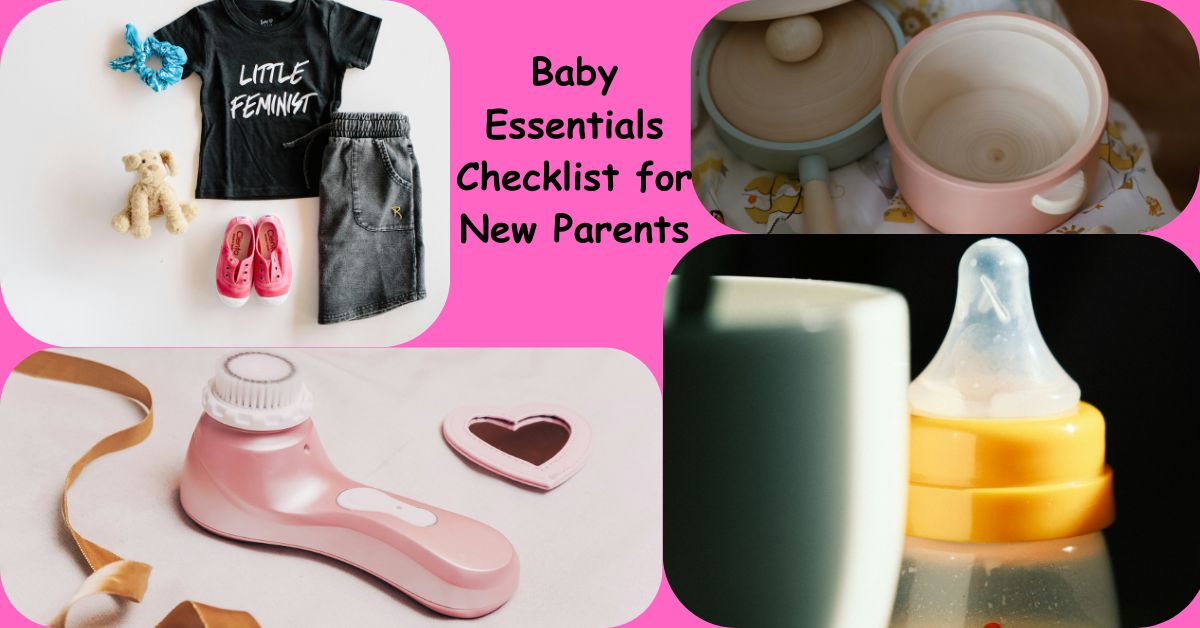
Preparing to welcome a baby is one of the most exciting and life-changing experiences for parents. However, it can also feel overwhelming because of the long list of items needed to care for a newborn. With so many products on the market, new parents often find themselves wondering which items are truly necessary and which ones are simply nice to have. Having a comprehensive baby essentials checklist helps eliminate confusion, ensures you’re well-prepared, and prevents unnecessary spending.
This guide provides a detailed breakdown of all the essentials new parents need—from clothing and feeding supplies to safety gear and nursery must-haves. The goal is to give you clarity on what to prioritize, helping you feel confident and ready for your baby’s arrival.
1. Baby Clothing Essentials
Clothing is one of the first things parents think about when preparing for their baby. While it’s tempting to buy lots of cute outfits, practicality and comfort should come first. Babies grow quickly, so it’s better to stock up on a few basics in different sizes rather than splurging on too many newborn items.
Must-have baby clothing includes:
- Onesies or bodysuits (6–8 pieces): Soft, breathable, and easy to snap for diaper changes.
- Sleepers or footed pajamas (5–6 pieces): Comfortable for sleeping and daytime wear.
- Swaddle blankets or sleep sacks: For warmth and safe sleeping without loose blankets.
- Socks and booties: To keep little feet warm.
- Hats and mittens: Protects against sun, cold, and accidental scratches.
- Seasonal outerwear: A lightweight jacket or warm snowsuit depending on your climate.
When buying baby clothes, always choose breathable fabrics like cotton and avoid anything with scratchy tags or rough seams.
2. Diapering Essentials
Diapering is something you’ll do multiple times a day, so having the right supplies makes life easier. Whether you choose disposable or cloth diapers, consistency and preparation are key.
Diapering must-haves:
- Diapers: Stock at least a week’s supply; newborns can go through 8–12 diapers daily.
- Wipes: Unscented and alcohol-free to protect sensitive skin.
- Diaper rash cream: Prevents and treats irritation.
- Changing pad or table: A clean, safe surface for diaper changes.
- Diaper pail with liners: Helps control odor and keeps things sanitary.
- Portable changing kit: Useful for outings and travel.
Pro tip: Buy diapers in small quantities at first since babies can quickly outgrow newborn sizes.
3. Feeding Essentials
Feeding time is central to your baby’s routine, whether you choose breastfeeding, formula feeding, or a combination of both. Each method requires certain items to make the process smooth.
Breastfeeding supplies:
- Nursing bras and pads: For comfort and leak protection.
- Breast pump (manual or electric): Helpful for expressing milk and building a supply.
- Milk storage bags or containers: Keeps pumped milk fresh.
- Nipple cream: Relieves soreness during early breastfeeding days.
- Burp cloths: Essential for catching spit-ups.
Formula feeding supplies:
- Bottles (6–8): Choose BPA-free options in different sizes.
- Bottle nipples: Varying flow rates as your baby grows.
- Formula: Check with your pediatrician before choosing a brand.
- Bottle brush and sterilizer: Ensures bottles stay clean and hygienic.
- Bottle warmer: Convenient for preparing milk at the right temperature.
No matter which method you choose, feeding is also a bonding experience, so create a comfortable feeding spot with a supportive chair and pillow.
4. Sleeping Essentials
Newborns spend most of their time sleeping, so creating a safe and comfortable sleep environment is a top priority. Safety is particularly important because it reduces the risk of sudden infant death syndrome (SIDS).
Sleep must-haves:
- Crib or bassinet: Ensure it meets current safety standards with a firm mattress.
- Fitted crib sheets (2–3): Washable and snug-fitting.
- Baby monitor: Audio or video monitors give peace of mind.
- Swaddles or wearable blankets: Safer alternatives to loose blankets.
- White noise machine: Helps soothe babies to sleep with calming sounds.
Avoid placing pillows, stuffed animals, or bumper pads in the crib as they pose suffocation risks.
5. Bathing and Hygiene Essentials
Bathing a newborn can feel intimidating at first, but having the right gear makes it safe and enjoyable. Babies don’t need daily baths; a few times a week is enough in the beginning.
Bathing must-haves:
- Infant bathtub: Compact and designed for baby safety.
- Soft washcloths and towels with hoods: Gentle on delicate skin.
- Baby shampoo and body wash: Tear-free and hypoallergenic.
- Soft-bristled hairbrush: Helps with cradle cap.
- Nail clippers or baby nail file: Keeps tiny nails trimmed to avoid scratches.
Adding a non-slip mat and keeping supplies within reach makes bath time smoother.
6. Travel and Outing Essentials
Leaving the house with a newborn requires preparation. The right travel gear keeps your baby safe and ensures convenience when you’re on the go.
Travel must-haves:
- Car seat: Required from day one; choose an infant seat that meets safety regulations.
- Stroller: Lightweight or travel system strollers are ideal.
- Diaper bag: Spacious enough for diapers, wipes, bottles, and extra clothes.
- Baby carrier or wrap: Great for hands-free carrying.
- Portable changing pad: Handy for diaper changes outside the home.
For frequent travelers, consider strollers with easy folding mechanisms and car seats that transition into toddler stages.
7. Health and Safety Essentials
Keeping your baby safe and healthy is a top concern for every parent. A well-stocked baby health kit helps you handle common issues at home.
Must-have items include:
- Digital thermometer: For accurate temperature checks.
- Nasal aspirator: Clears stuffy noses safely.
- Baby first-aid kit: Includes bandages, antiseptic wipes, and baby-safe medicine dispensers.
- Outlet covers and cabinet locks: Baby-proofing essentials as your child grows.
- Baby gates: Useful once your little one starts crawling.
Always keep emergency contact numbers, including your pediatrician’s, handy.
8. Nursery Essentials
The nursery is more than just a place for your baby to sleep—it’s where you’ll spend countless hours feeding, rocking, and bonding. Setting up a functional and cozy nursery ensures comfort for both baby and parents.
Nursery checklist:
- Crib and mattress: Foundation of the nursery.
- Changing station: Either a dresser with a changing pad or a dedicated table.
- Rocking chair or glider: Provides comfort during feedings and bedtime.
- Storage bins and shelves: Keeps clothes, toys, and supplies organized.
- Nightlight: Offers soft light for middle-of-the-night feedings.
Personal touches like wall décor, rugs, and mobiles can make the space feel warm and inviting.
9. Play and Development Essentials
Even in the early months, babies benefit from playtime that encourages learning and development. Age-appropriate toys and gear stimulate their senses and motor skills.
Playtime must-haves:
- Play mat or activity gym: Encourages tummy time and exploration.
- Soft rattles and sensory toys: Introduces textures and sounds.
- Board books: Start early with simple, colorful books.
- Bouncer or swing: Provides entertainment and soothing movement.
- Teethers: Helps with early teething discomfort.
Playtime is also a valuable opportunity for bonding and supporting your baby’s growth milestones.
10. Optional But Helpful Extras
While not strictly essential, some items can make life easier for parents. Depending on your budget, you might want to consider:
- Video baby monitor with Wi-Fi: For extra reassurance.
- Bottle sterilizer: Saves time and adds convenience.
- Smart gadgets: Such as room thermometers or sleep trackers.
- High chair: Necessary later on for introducing solids.
These extras are worth considering if they fit your lifestyle and financial priorities.
Conclusion
Welcoming a baby brings immense joy, but it also comes with a steep learning curve. Having a comprehensive baby essentials checklist ensures you are well-prepared to care for your newborn without unnecessary stress or overspending. Focus on the must-haves—like safe sleep gear, feeding supplies, diapers, and health essentials—before investing in optional extras.
Every family is unique, and your baby’s needs may vary based on lifestyle, budget, and personal preferences. The key is to prioritize safety, comfort, and convenience so that you can spend less time worrying about supplies and more time enjoying precious moments with your baby.
With the right essentials in place, you’ll be better equipped to handle the challenges of parenthood while creating a nurturing and loving environment for your child.