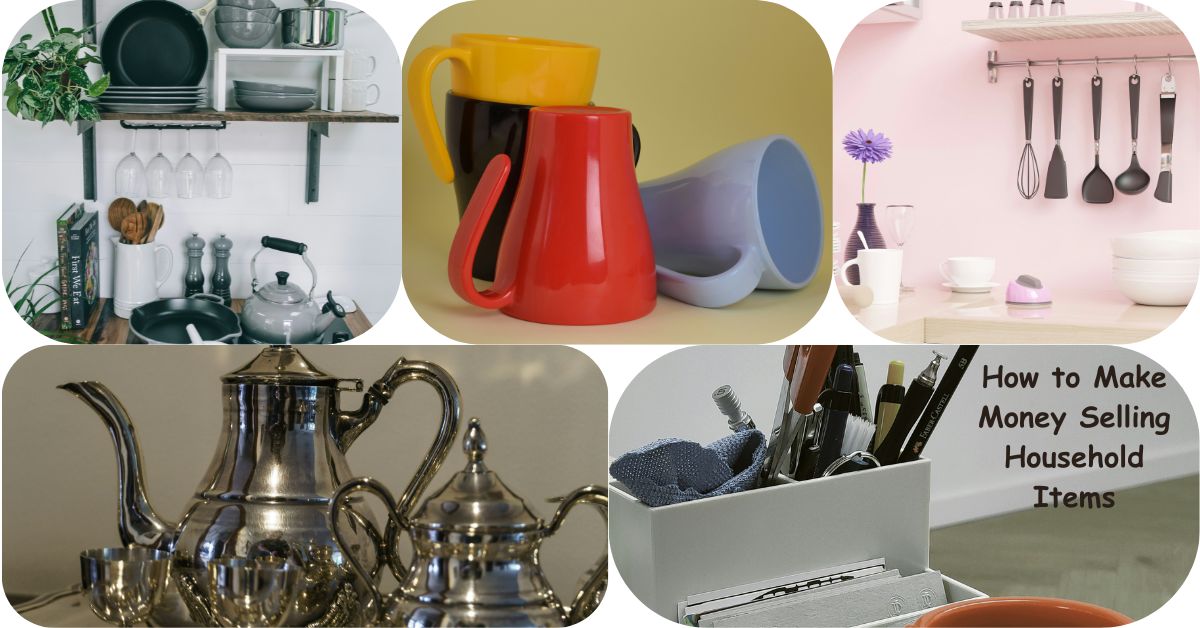
Many people don’t realize that their homes are filled with untapped financial opportunities. From unused furniture sitting in the garage to gently used electronics and kitchenware gathering dust, household items hold incredible resale value when approached strategically. Selling these items not only helps declutter your living space but also provides a reliable stream of extra income. With the right mindset and sales approach, you can turn your unused belongings into real money without the need for a large upfront investment.
The beauty of selling household items lies in its flexibility. You can sell part-time to generate extra cash or transform it into a full-fledged small business if you’re consistent and strategic. Whether you prefer listing items online, leveraging mobile apps, or exploring local markets, opportunities exist to reach buyers quickly and effectively. This article provides a detailed, step-by-step guide on how to make money selling household items, covering everything from identifying profitable products to choosing the right platforms, marketing effectively, and ensuring safe transactions.
Identifying Profitable Household Items
The first step in making money through resale is recognizing what items are likely to sell quickly and at a good price. Not everything in your home will have resale value, but many categories consistently attract buyers:
- Furniture: Sofas, dining tables, desks, and bookshelves are in high demand on local platforms and marketplaces.
- Electronics: Laptops, tablets, gaming consoles, and home appliances maintain strong resale value if functional.
- Kitchenware: High-quality cookware, coffee makers, blenders, and even sets of plates are popular among budget-conscious buyers.
- Home décor: Lamps, rugs, curtains, and wall art can fetch a fair price, especially if in good condition.
- Clothing and accessories: Designer clothes, handbags, and shoes resell well through fashion-specific apps.
- Toys and baby gear: Strollers, car seats, and educational toys are always in demand.
A good rule of thumb is to focus on items that are gently used, branded, or known for durability. Buyers are often looking for affordable alternatives to buying new, so highlighting the condition and quality of your items is essential.
Choosing the Right Platforms to Sell
Where you sell your items plays a major role in how quickly they move and how much profit you make. Today, sellers have an abundance of platforms to choose from, each with unique advantages:
- Facebook Marketplace: Free, local, and convenient for selling furniture, electronics, and general household goods.
- eBay: Excellent for collectibles, electronics, and items you’re willing to ship nationwide or internationally.
- Craigslist: Ideal for large items like furniture and appliances that buyers can pick up directly.
- OfferUp and Letgo: Mobile-friendly apps perfect for local sales, especially for smaller household items.
- Poshmark and Depop: Great for clothing, accessories, and fashion-related items.
- Specialty platforms: Sites like Gazelle (for electronics) or Chairish (for furniture and décor) allow you to reach targeted buyers.
Choosing the right platform depends on your goals. If you want quick local sales, Facebook Marketplace is unbeatable. If you prefer reaching a larger audience, eBay or Amazon resale programs are better choices.
Preparing Items for Sale
Presentation is everything in resale. A buyer’s first impression often determines whether your item sells quickly or sits for weeks. To maximize your chances of success:
- Clean thoroughly: Wipe down furniture, polish appliances, and wash clothes before listing them.
- Repair minor issues: Tighten screws, replace missing parts, or fix cosmetic scratches if it doesn’t cost much.
- Take high-quality photos: Use good lighting, multiple angles, and neutral backgrounds to make your items stand out.
- Write detailed descriptions: Include brand, condition, dimensions, and special features. Be honest—buyers appreciate transparency.
Well-prepared items not only attract more interest but also command higher prices because buyers see them as valuable and well-maintained.
Pricing Strategies That Work
Pricing your items correctly is crucial for turning them into quick sales without underselling yourself. Here are some strategies:
- Research comparable listings: Check platforms like eBay or Marketplace to see how much similar items sell for.
- Set slightly higher than your target: This leaves room for negotiation, which buyers often expect.
- Offer bundle deals: Grouping related items, such as kitchenware sets or baby gear, can encourage larger purchases.
- Highlight savings: Emphasize how much buyers save compared to purchasing the item new.
Remember, competitive pricing doesn’t mean undervaluing your belongings. Instead, it ensures that you remain attractive to buyers in a crowded marketplace.
Marketing Your Household Items Effectively
Even with the best platforms and pricing, your items won’t sell unless they’re marketed effectively. Smart marketing makes the difference between an item selling in days versus weeks.
- Craft compelling headlines: Instead of writing “Used Couch,” write “Modern Gray Sofa in Excellent Condition – Affordable Price.”
- Use keywords: Include words buyers search for, such as “brand new,” “gently used,” or “like new.”
- Leverage social media: Share listings in community groups or your own networks for free exposure.
- Post at optimal times: Listings often perform better in the evenings or weekends when buyers are browsing.
- Renew and relist: If your item doesn’t sell, refresh the listing with updated photos or descriptions.
By treating your listing as a mini advertisement, you create urgency and increase buyer engagement.
Ensuring Safe and Secure Transactions
Safety should never be overlooked when selling household items. Meeting strangers to exchange goods requires caution:
- Choose public meeting spots: Police station parking lots or busy coffee shops are safe choices.
- Use secure payment methods: Cash is common for local deals, but digital payments like PayPal or Venmo add security.
- Avoid scams: Be cautious of buyers who overpay and request refunds or those unwilling to meet in person.
- Document transactions: Keep records of payments and communication for protection.
Taking precautions ensures that your selling experience is profitable, smooth, and stress-free.
Turning Selling Into a Side Business
For many people, selling household items evolves into a consistent side hustle or even a small business. Once you master the basics, you can:
- Source items intentionally: Visit thrift stores, estate sales, and garage sales to buy undervalued items and resell them.
- Build a niche: Specialize in categories like furniture, electronics, or vintage clothing.
- Expand online presence: Create dedicated seller profiles on platforms with positive reviews to build trust.
- Reinvest profits: Use earnings to acquire higher-value items for resale.
This transition turns casual decluttering into a sustainable way to generate steady income.
Long-Term Benefits of Selling Household Items
Selling household items isn’t just about quick cash—it provides long-term lifestyle and financial benefits:
- Extra income stream: Great for paying off debt, saving, or covering unexpected expenses.
- Decluttered living space: A tidy home improves mental clarity and productivity.
- Eco-friendly impact: Reusing and recycling items reduces waste and benefits the environment.
- Entrepreneurial skills: Selling teaches pricing, marketing, negotiation, and customer service skills.
Over time, this practice builds financial independence and opens doors to new opportunities.
Conclusion
Making money by selling household items is a practical and rewarding strategy for anyone looking to boost their income while simplifying their living environment. By identifying valuable items, choosing the right platforms, presenting your goods professionally, and implementing effective pricing and marketing tactics, you can consistently turn clutter into cash.
The process doesn’t just benefit your wallet—it also creates a more organized, stress-free home and contributes positively to sustainability efforts. Whether you choose to sell occasionally or develop it into a profitable side business, the key is approaching the process with intentionality and care.
At its core, selling household items is about seeing value where others may not. With the right approach, you can transform unused belongings into opportunities for financial growth and personal satisfaction.