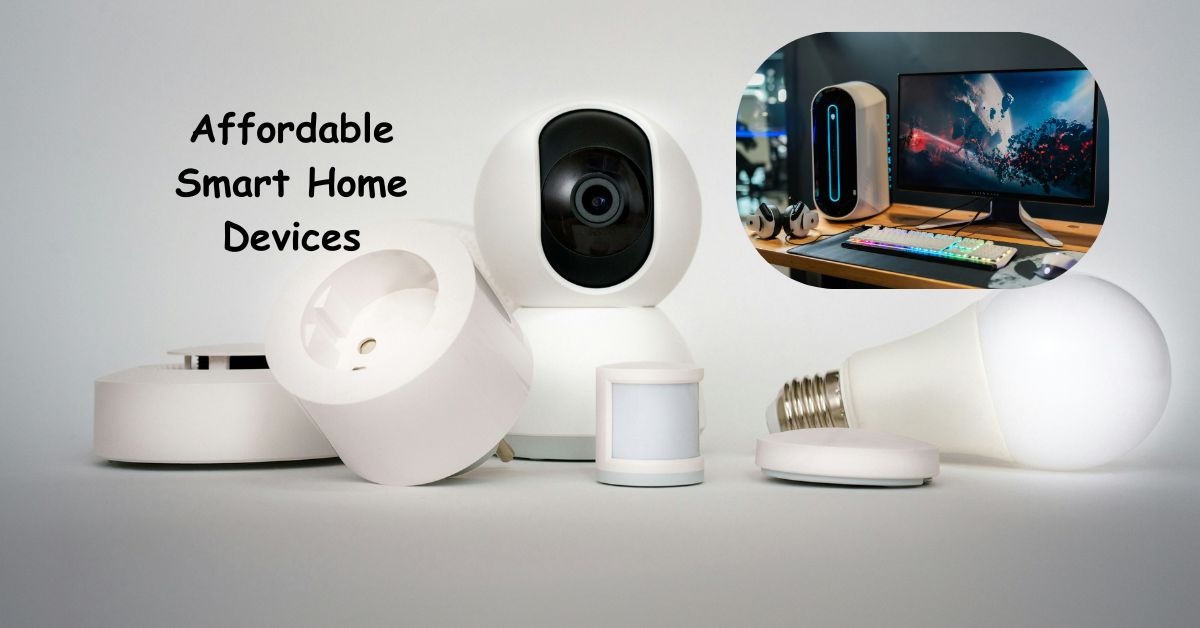
The concept of a smart home was once seen as futuristic, something only reserved for high-tech enthusiasts or homeowners with deep pockets. However, advances in technology, mass adoption, and competitive pricing have brought smart home devices within reach of the average consumer. Today, you don’t need to spend thousands of dollars to transform your living space into a connected, automated environment. With the right affordable smart home devices, you can boost convenience, security, and efficiency while sticking to a budget.
This article explores the best budget-friendly smart home gadgets, their unique benefits, and practical ways to integrate them into your daily life. Whether you’re just starting your smart home journey or looking to expand your setup, you’ll find plenty of insights here.
Why Smart Home Devices Are Worth the Investment
Even when affordability is the focus, it’s essential to understand why smart devices are more than just fancy tech. At their core, these devices are designed to simplify life, enhance comfort, and reduce costs in the long run.
- Convenience: Smart assistants, plugs, and lights make daily tasks easier with voice commands and automation.
- Energy Savings: Devices like smart thermostats and bulbs lower utility bills by optimizing energy use.
- Safety and Security: Smart cameras, locks, and alarms give homeowners peace of mind.
- Scalability: Affordable devices often integrate seamlessly, meaning you can start small and expand as your budget allows.
By carefully choosing devices that offer the most value, you can enjoy the perks of modern living without financial strain.
1. Smart Speakers and Voice Assistants
Smart speakers are often the entry point into smart home ecosystems because of their affordability and usefulness. Options like the Amazon Echo Dot or Google Nest Mini are typically priced under $50, making them accessible for most households.
These devices serve as the central hub for voice control, allowing you to:
- Play music and podcasts.
- Control compatible smart home devices.
- Set reminders, alarms, and shopping lists.
- Ask questions and access information instantly.
The real value lies in the integration. A single voice assistant can control your smart bulbs, locks, and thermostats, turning your home into a connected ecosystem without requiring expensive hardware.
2. Smart Plugs
If you’re looking for one of the cheapest ways to “smarten” your home, smart plugs are the answer. These small devices, often priced around $10–$20 each, allow you to control ordinary appliances using your smartphone or voice commands.
Common uses include:
- Turning on lamps remotely.
- Scheduling coffee makers to start brewing in the morning.
- Cutting power to devices to save energy when not in use.
Affordable brands like TP-Link Kasa Smart Plug or Amazon Smart Plug provide reliable performance at low prices. With just a few smart plugs, you can dramatically change how you interact with everyday devices.
3. Smart Light Bulbs
Lighting is one of the simplest and most noticeable upgrades for your home. Smart bulbs give you the ability to control brightness, set schedules, and even change colors—all from your phone or with voice commands.
What makes them appealing is their affordability. Popular brands like Philips Hue (entry-level kits), Wyze Bulb, or Sengled Smart Bulbs are available for under $15 per bulb.
Benefits include:
- Energy savings from LED efficiency.
- Mood customization with adjustable color tones.
- Remote access when you’re away from home.
Adding just a few smart bulbs can instantly modernize your living space without major investment.
4. Smart Thermostats
Heating and cooling make up a significant portion of household energy bills, and that’s where smart thermostats come in. While premium models can be costly, affordable options like the Google Nest Thermostat (budget version) or Wyze Thermostat offer excellent performance for under $130.
These devices allow you to:
- Program temperature schedules.
- Adjust heating or cooling remotely.
- Receive energy-saving suggestions.
Over time, the savings on energy bills can offset the initial cost, making them a smart choice for budget-conscious homeowners.
5. Smart Security Cameras
Home security is no longer reserved for expensive systems. Affordable smart security cameras like the Wyze Cam v3 or Blink Mini start at around $30 and provide features like motion detection, night vision, and cloud storage.
Why they’re worth it:
- Monitor your home from anywhere via smartphone apps.
- Receive instant alerts when motion is detected.
- Deter potential intruders with visible cameras.
Investing in even one or two budget-friendly cameras can significantly boost your home’s safety without requiring a costly subscription plan.
6. Smart Locks
For under $150, you can replace traditional door locks with smart locks that allow keyless entry. Budget-friendly options like Wyze Lock or August Smart Lock (basic edition) give homeowners the flexibility of unlocking doors via smartphone or code.
Key benefits include:
- Granting temporary access to guests or service providers.
- Tracking entry logs for added security.
- Eliminating the need for physical keys.
Pairing smart locks with cameras creates an affordable yet highly effective home security system.
7. Smart Doorbells
Smart doorbells like the Ring Video Doorbell (budget version) or Eufy Security Wi-Fi Doorbell combine convenience with safety. Starting at around $60, these devices let you see and speak to visitors even when you’re not home.
Benefits:
- Reduce package theft with real-time alerts.
- Add an extra layer of security at your front door.
- Easy integration with smart speakers for announcements.
Affordable models still deliver HD video quality and two-way communication, making them excellent for budget-conscious households.
8. Smart Home Hubs
While many affordable devices now work independently, a smart home hub can make managing them easier. Low-cost hubs like Samsung SmartThings Hub (entry version) or Amazon Echo with Zigbee integration allow you to centralize control.
Why consider them:
- Connect devices from different brands.
- Set up automation routines for multiple gadgets at once.
- Future-proof your smart home system.
Although not essential, hubs are useful when you want seamless coordination between various devices.
9. Smart Sensors
Sensors may not seem glamorous, but they are incredibly useful and affordable. Priced between $20–$40, smart sensors like those from Wyze or Aqara detect motion, water leaks, or temperature changes.
Examples of usage:
- Detect leaks under sinks to prevent water damage.
- Automate lighting when someone enters a room.
- Monitor doors and windows for unauthorized entry.
They add extra layers of safety and automation without requiring big budgets.
10. Smart Appliances (Entry-Level Options)
While refrigerators and washing machines with smart features can be pricey, smaller smart appliances are affordable and practical. Examples include:
- Smart coffee makers that can brew on schedule.
- Smart robot vacuums like the Eufy RoboVac 11S, which are budget-friendly alternatives to expensive Roombas.
- Smart air purifiers that track air quality and adjust settings automatically.
These devices bring convenience to everyday chores while staying within reach of most budgets.
How to Choose the Right Affordable Smart Home Devices
When shopping for smart gadgets, affordability is just one factor. To maximize your investment, keep these tips in mind:
- Check compatibility: Ensure the device works with your preferred ecosystem (Alexa, Google Home, or Apple HomeKit).
- Prioritize needs: Focus first on devices that improve convenience, safety, or energy efficiency.
- Look for scalability: Choose brands that offer a wide product range so you can expand easily later.
- Consider subscription costs: Some budget devices require monthly fees for storage or advanced features—factor this into your decision.
Maximizing Value from Your Smart Home Setup
Buying affordable devices is only half the equation. To get the most out of your investment:
- Use automation routines to connect devices. Example: Smart bulbs turning off when you lock the smart door.
- Regularly update firmware to keep devices secure.
- Monitor energy usage through smart plugs and thermostats to cut down on bills.
- Leverage voice assistants to centralize control and simplify daily routines.
Even a small setup of affordable smart devices can deliver a premium smart home experience when optimized correctly.
Conclusion
Affordable smart home devices prove that modern convenience, safety, and efficiency are no longer luxuries reserved for the wealthy. From smart speakers and light bulbs to security cameras and smart locks, there are countless options under $150 that can dramatically improve your living space. The beauty of starting with budget-friendly devices is scalability—you can expand your ecosystem over time without straining your finances.
By making thoughtful choices, focusing on compatibility, and maximizing automation features, you can enjoy the benefits of a connected lifestyle at a fraction of the cost. Smart living doesn’t have to be expensive; it just requires smart decisions.