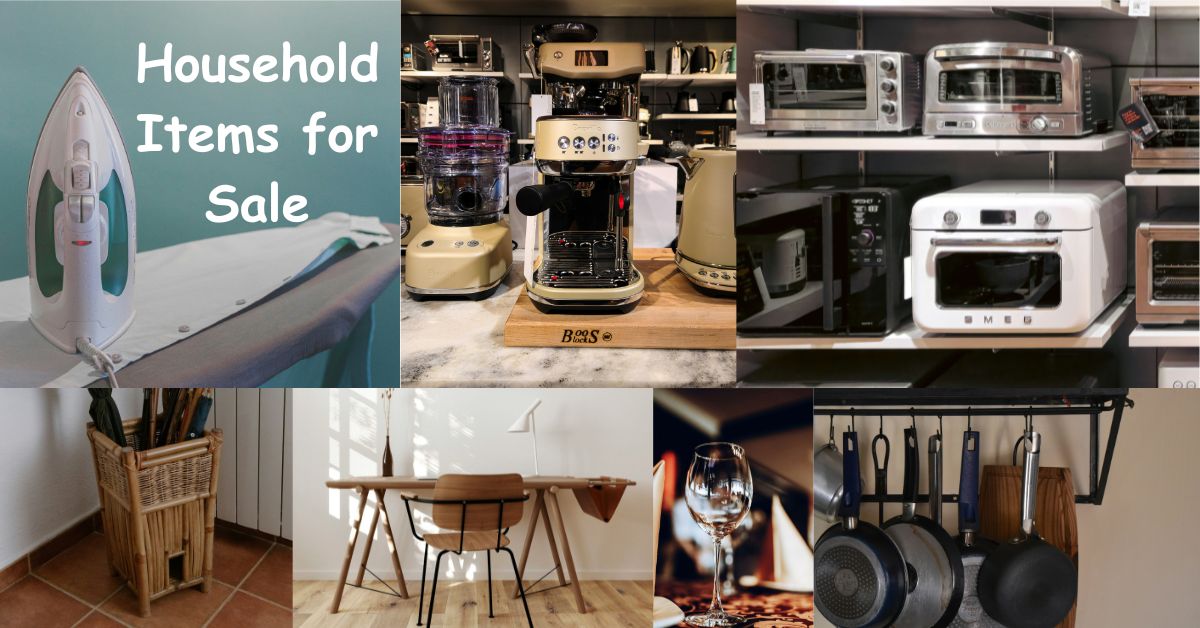
Selling household items is one of the most effective ways to declutter your home, earn extra income, and give unused belongings a second life. On the flip side, buying secondhand household goods can save buyers a significant amount of money without compromising on quality. From kitchen appliances and furniture to cleaning tools and décor, household items are always in demand, which makes them one of the most profitable categories to sell online and offline.
Whether you’re a homeowner looking to downsize, a student moving out, or simply someone trying to make the most out of everyday essentials, understanding how to successfully buy and sell household items is key. This article will explore the most popular household items for sale, where to buy or sell them, and strategies to maximize profits.
Why Household Items Sell So Well
Household items are considered “evergreen products.” Unlike trendy gadgets or seasonal clothing, essentials like cookware, beds, couches, and cleaning tools are always needed. Every household requires them, and people are constantly upgrading, replacing, or searching for affordable alternatives.
The high demand comes from two groups: buyers who want quality items without paying full retail prices and sellers who want to offload items they no longer use. This continuous cycle makes household goods one of the most profitable categories on resale platforms like Facebook Marketplace, Craigslist, OfferUp, eBay, and even local garage sales.
Types of Household Items That Sell Best
If you’re planning to list household items for sale, it’s important to know which categories attract the most buyers. Here are the most popular groups:
1. Furniture
Beds, sofas, dining tables, chairs, and bookshelves are consistently in demand. Families moving into new apartments or houses often prefer buying used furniture at affordable rates instead of paying premium prices at big stores.
2. Kitchen Appliances
Blenders, coffee makers, air fryers, microwaves, and even larger appliances like refrigerators and dishwashers have strong resale value. Buyers are especially interested in well-maintained appliances that can serve them for years.
3. Home Décor
Wall art, mirrors, rugs, lamps, and indoor plants add personality to homes. These items sell quickly because people love decorating their spaces without overspending.
4. Electronics & Entertainment Units
Televisions, speakers, home theater systems, and gaming consoles are sought-after. As long as the devices are functional, they can attract competitive offers.
5. Cleaning Equipment
Vacuum cleaners, steam mops, and organizational tools like shelving units sell well because they save buyers time and effort.
6. Bedding & Household Linens
Comforters, bed sheets, curtains, and rugs are low-cost items that often move fast in resale markets, especially if they’re in good condition and freshly cleaned.
Where to Sell Household Items
The key to success isn’t just knowing what to sell—it’s also knowing where to sell. Here are some of the most profitable places to list your household items:
- Facebook Marketplace: Perfect for local buyers, no listing fees, and fast transactions.
- eBay: Ideal for items that appeal to a broader audience, like vintage décor or branded appliances.
- Craigslist: A go-to option for selling large furniture and appliances locally.
- OfferUp & Letgo: Mobile apps designed for quick sales, especially for household essentials.
- Garage Sales: Great for selling multiple items at once, especially if you live in a busy neighborhood.
- Consignment Shops & Thrift Stores: These shops resell items for you, though they take a percentage of the profits.
Tips for Selling Household Items Successfully
Simply listing an item isn’t enough—you need to present it well to maximize profits. Here’s how to do it:
1. Take High-Quality Photos
Good lighting, clear backgrounds, and multiple angles can make an item look more attractive. Buyers want to visualize the item in their home.
2. Write Detailed Descriptions
Include dimensions, brand, condition, age, and any unique features. A complete description builds buyer trust and helps your listing stand out in search results.
3. Be Transparent About Condition
Honesty pays off. If there are scratches, dents, or minor issues, mention them upfront. Buyers appreciate transparency, and it reduces disputes later.
4. Price Competitively
Research similar items online to determine fair pricing. Price slightly below competitors if you want a quick sale, or hold firm if your item is in excellent condition.
5. Offer Delivery Options
For larger items like sofas or appliances, offering delivery can give you an edge over other sellers who only allow pickup.
Best Practices for Buyers of Household Items
If you’re looking to purchase household goods, there are strategies to ensure you get the best deals:
- Compare Prices: Always check retail prices to see how much you’re saving.
- Inspect Before Buying: Test appliances and check for wear on furniture before paying.
- Negotiate Smartly: Sellers often list slightly higher prices expecting negotiation. Be polite but firm when offering your price.
- Look for Bundles: Some sellers offer discounts if you buy multiple items at once—great for furnishing a new home.
How to Maximize Profit When Selling Household Items
Selling household items can be more than a quick side hustle—it can actually become a consistent source of income. Here’s how to increase profits:
- Focus on High-Demand Categories: Furniture and appliances often bring in the highest returns.
- Seasonal Timing: Sell heaters and blankets in winter, fans and AC units in summer. Timing impacts buyer interest.
- Refurbish Before Selling: Simple cleaning, polishing, or small repairs can significantly boost resale value.
- Use Keywords in Listings: Optimize your listings with keywords like “affordable sofa,” “gently used microwave,” or “discounted household essentials” to appear in more searches.
Household Items That Don’t Sell Well
Not all items are worth selling. Here are a few categories that often don’t perform well:
- Worn-out mattresses (due to hygiene concerns).
- Broken appliances (unless marketed as “for parts”).
- Old magazines, outdated décor, or personal items that have little resale value.
Knowing what not to sell saves time and helps you focus on profitable categories.
Safety Tips for Buying and Selling
Transactions involving household items often require meeting strangers. To stay safe:
- Always meet in public places or well-lit areas.
- Bring a friend if possible.
- Use secure payment methods.
- Avoid sharing unnecessary personal information.
These small precautions ensure smooth and safe transactions.
Turning Household Sales Into a Business
For many people, selling household items is just the beginning. Some sellers turn it into a full-time business by flipping items—buying used goods, refurbishing them, and reselling for higher profits. Furniture painting, appliance repair, and creative upcycling are ways to increase value and attract buyers willing to pay more.
Online platforms also make it possible to scale. For example, sellers who start with Facebook Marketplace can later expand to eBay or Amazon, reaching wider audiences and increasing revenue streams.
Conclusion
Household items for sale represent more than just secondhand goods—they’re opportunities for buyers to save money and for sellers to generate profit. From furniture and appliances to décor and linens, these essentials are always in demand. With the right platforms, competitive pricing, quality photos, and good descriptions, anyone can succeed in selling or buying household items.
The market is huge, the demand is consistent, and the potential for profit is significant. Whether you’re cleaning out your home, hunting for bargains, or considering turning resale into a side business, household items are among the easiest and most rewarding categories to start with.
By applying the strategies shared in this article, you can turn everyday household goods into steady cash flow and make the most of a market that never goes out of style.